Eco-Responsible Safari in Botswana: My Ideal Sustainable Itinerary
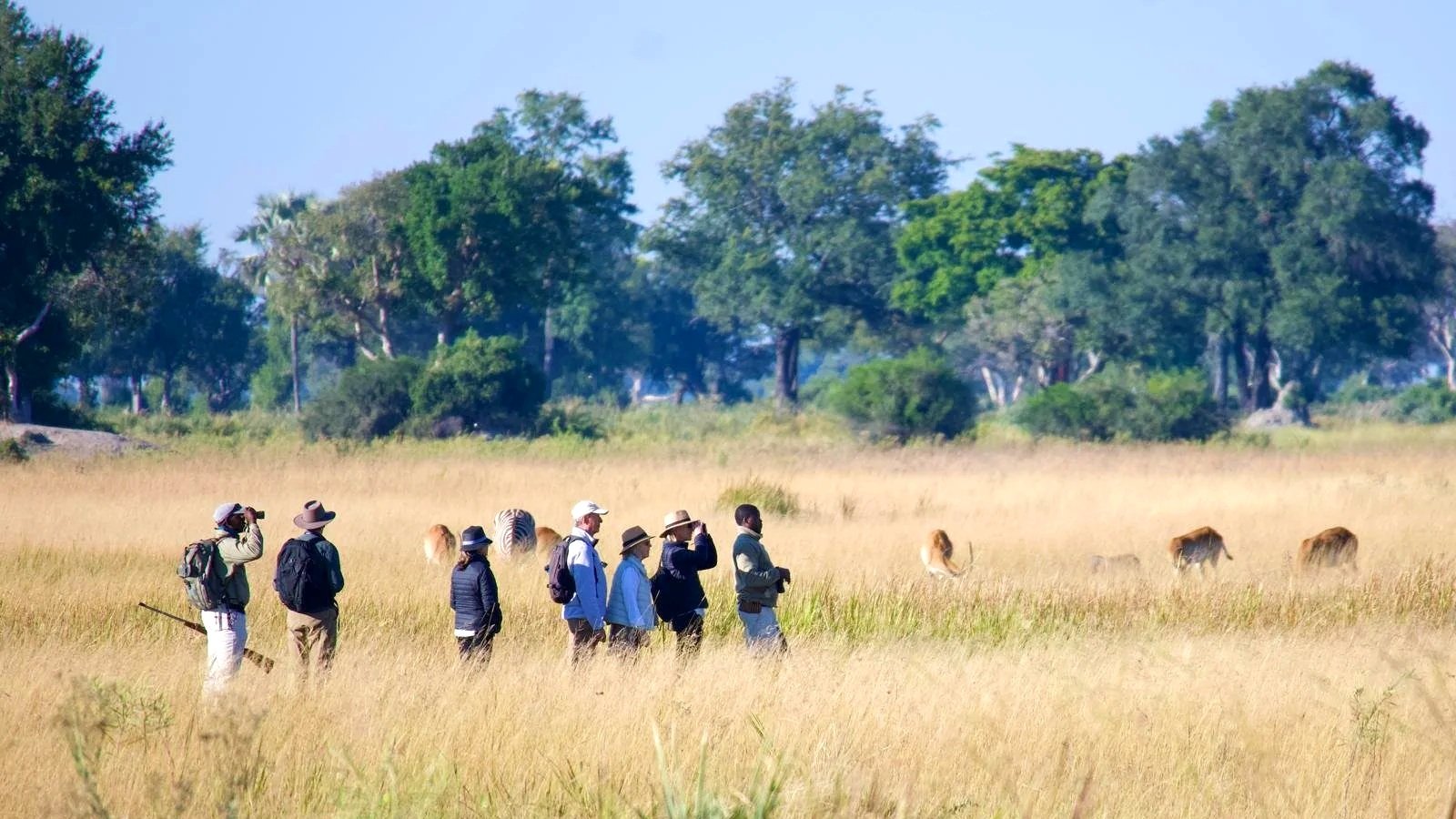
Guided bush walk on a wildlife-rich island in the Okavango Delta, Botswana
What if a safari could be more than an unforgettable wildlife adventure — what if it could also actively contribute to protecting the very landscapes you came to experience?
Botswana is one of the rare destinations where this vision is already a reality. Thanks to its low-impact tourism model, vast protected wilderness, and deep commitment to conservation, it has become a global benchmark for eco-responsible safaris.
I had the privilege of experiencing this firsthand in June 2025, right as the Okavango Delta was beginning its annual flood — a magical time when water slowly transforms the landscape into a mosaic of lagoons, channels, and wildlife-rich islands
This journey confirmed something I often tell my clients: a well-designed safari in Botswana is not just a trip — it is a powerful, immersive connection to nature.
Here is the eco-friendly itinerary I recommend most often.
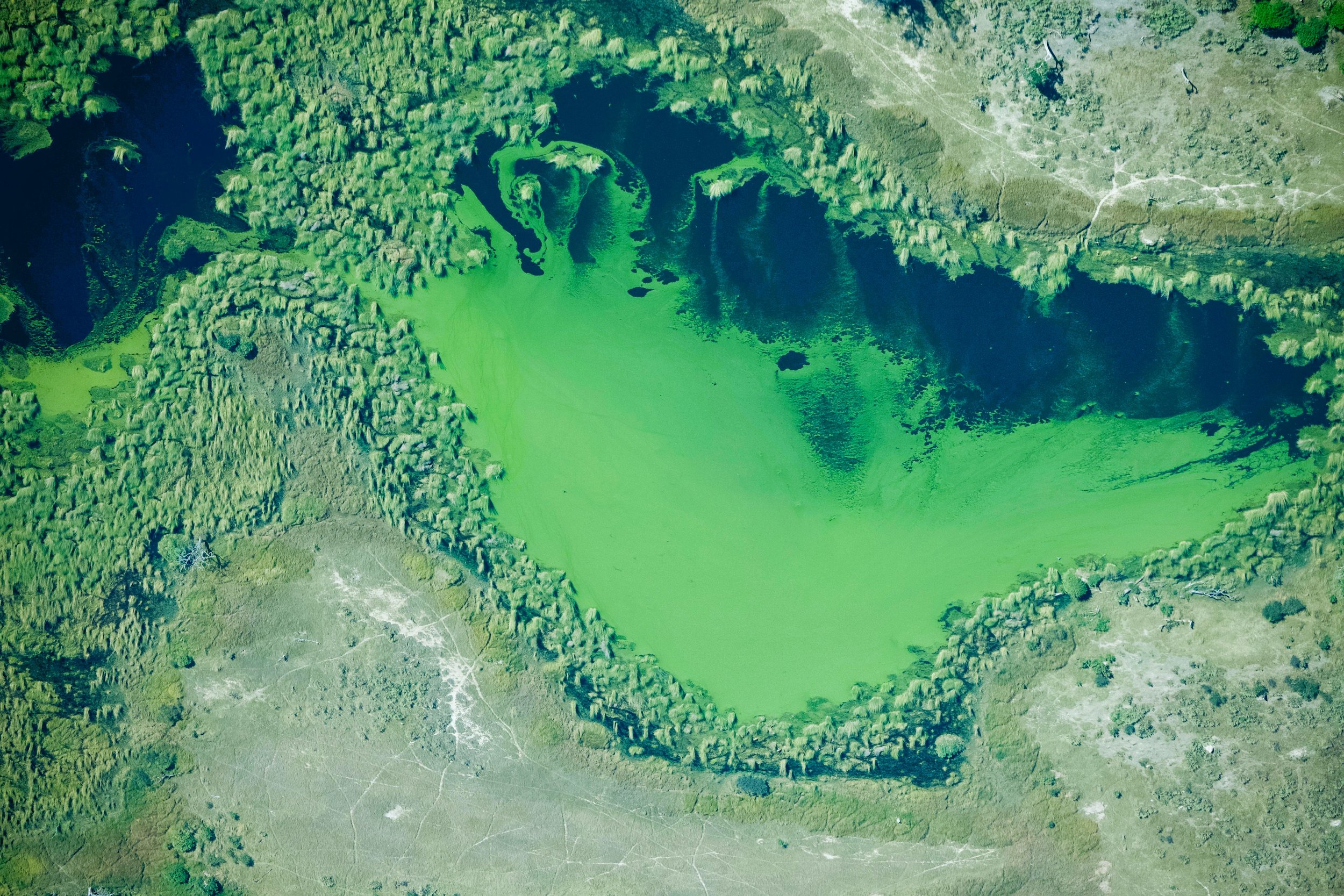
Okavango Delta from the sky
Why Botswana Is One of Africa’s Most Sustainable Safari Destinations
Botswana follows a unique philosophy: “high value, low impact.”
Instead of mass tourism, the country prioritizes:
Limited visitor numbers
Private concessions protecting wildlife
Strong community partnerships
Eco-conscious lodge operations
This approach ensures that tourism directly supports conservation while preserving the integrity of the wilderness.
For travelers seeking meaningful, responsible experiences, this makes all the difference.
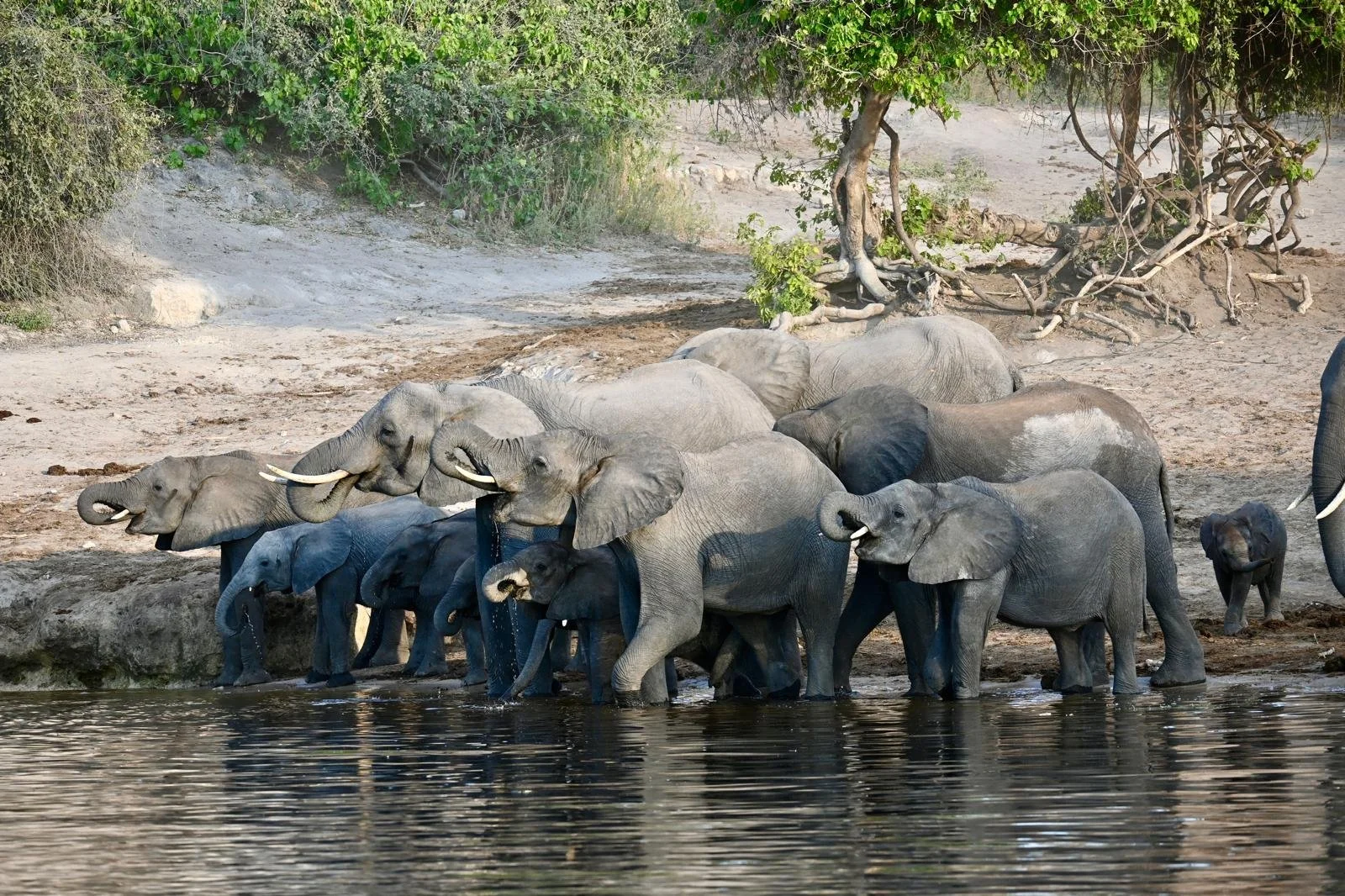
Elephants drinking at the river’s edge during a sunset safari in Chobe National Park, Botswana
Stop 1 — Northern Chobe: Raw Wilderness in Linyanti & Savute
My favorite way to begin an eco-safari is in the remote northern reaches of Chobe.
Here, landscapes feel untouched — vast wetlands, ancient forests, and quiet waterways where wildlife thrives without crowds.
The Linyanti region offers exceptional biodiversity and intimate safari experiences, while Savute is renowned for dramatic predator interactions and ever-changing ecosystems shaped by water cycles.
This is also where low-impact tented camps truly shine.
Some mobile and semi-permanent lodges operate with minimal environmental footprint, proving that comfort and sustainability can coexist beautifully.
It’s the perfect introduction: wild, remote, and deeply authentic.
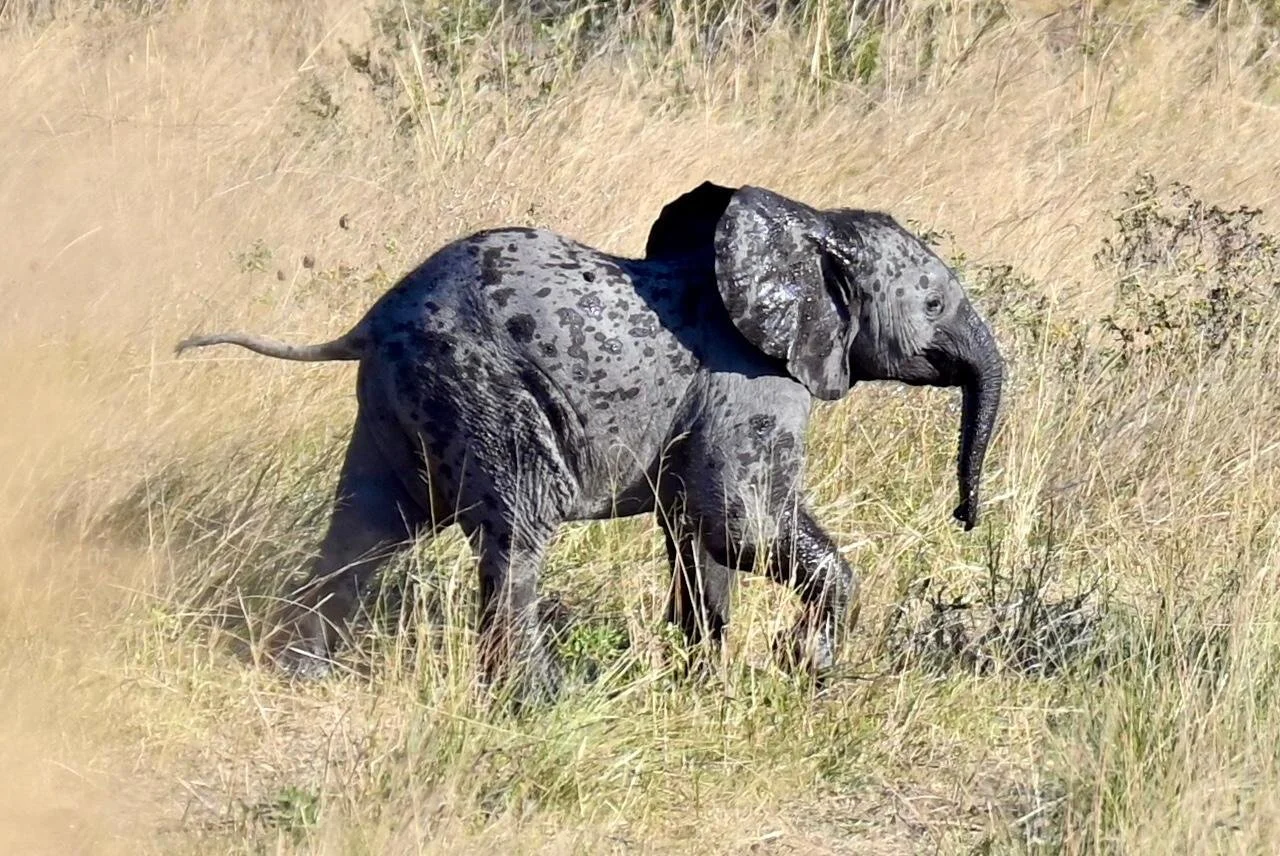
Baby Elephant - Chobe River Botswana
Stop 2 — Khwai: Where Tourism Supports Local Communities
From Chobe, the journey flows naturally toward Khwai — one of Botswana’s most inspiring conservation success stories.
This region sits on community-managed land, meaning tourism directly benefits local villages while protecting wildlife corridors.
During my visit, what struck me most was the sense of balance:
Exceptional game viewing
Strong community involvement
New eco-designed lodges built with minimal ecological disruption
Travel here feels purposeful — every night spent contributes to conservation and livelihoods.
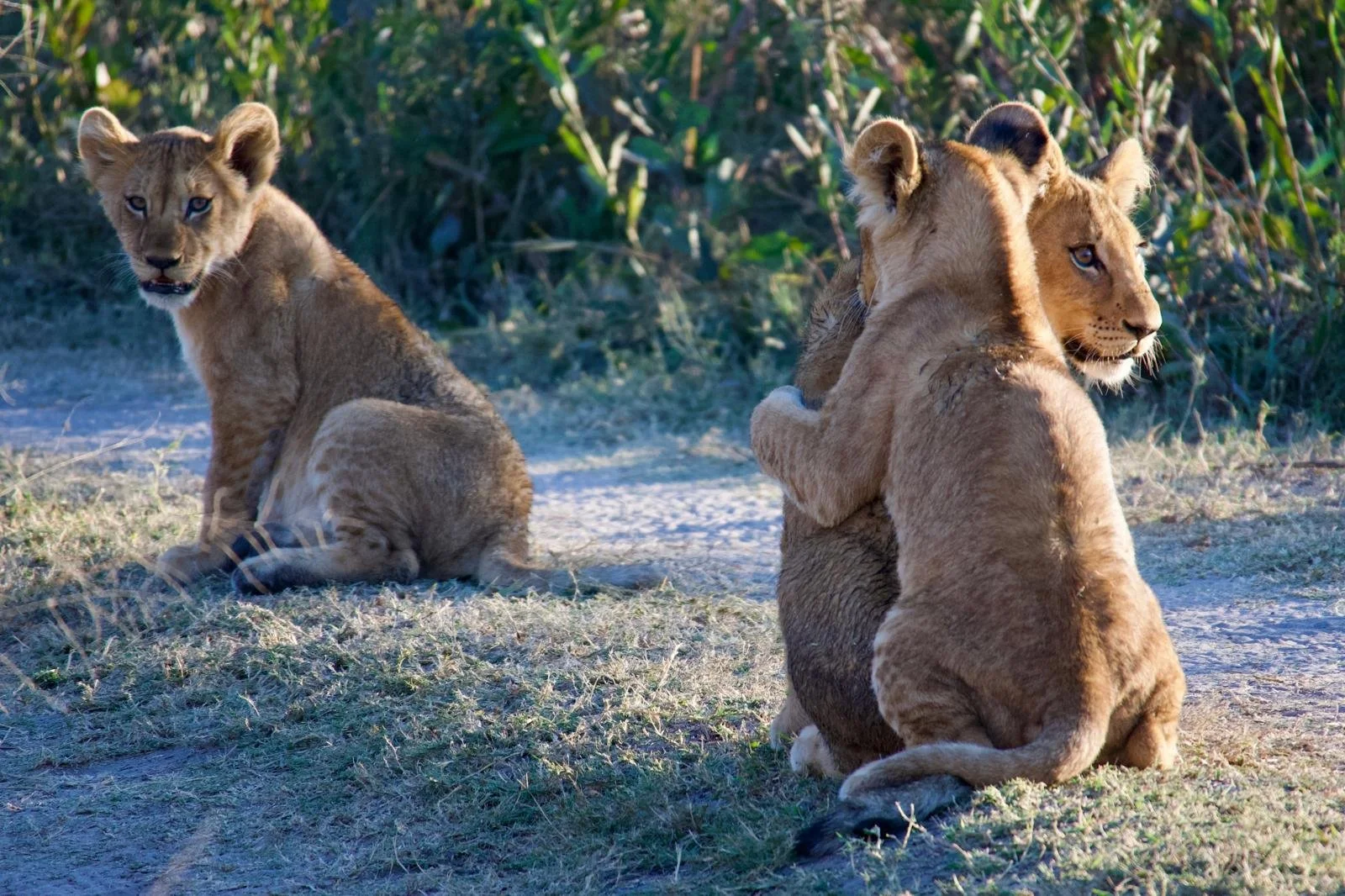
Lion cubs at sunset in Khwai, Botswana
Stop 3 — Moremi Game Reserve: A Model of Sustainable Safari Design
Moremi offers one of Africa’s most diverse ecosystems, blending floodplains, forests, and open savannah.
It’s also where sustainable lodge design truly stands out.
I was particularly impressed by camps that integrate seamlessly into their surroundings, using elevated structures, natural ventilation, and minimal land impact.
Activities here emphasize gentle exploration:
Quiet water safaris
Low-impact game drives
Traditional canoe excursions
This stage of the itinerary feels deeply immersive — a place where you begin to slow down and fully connect with the rhythm of the Delta.
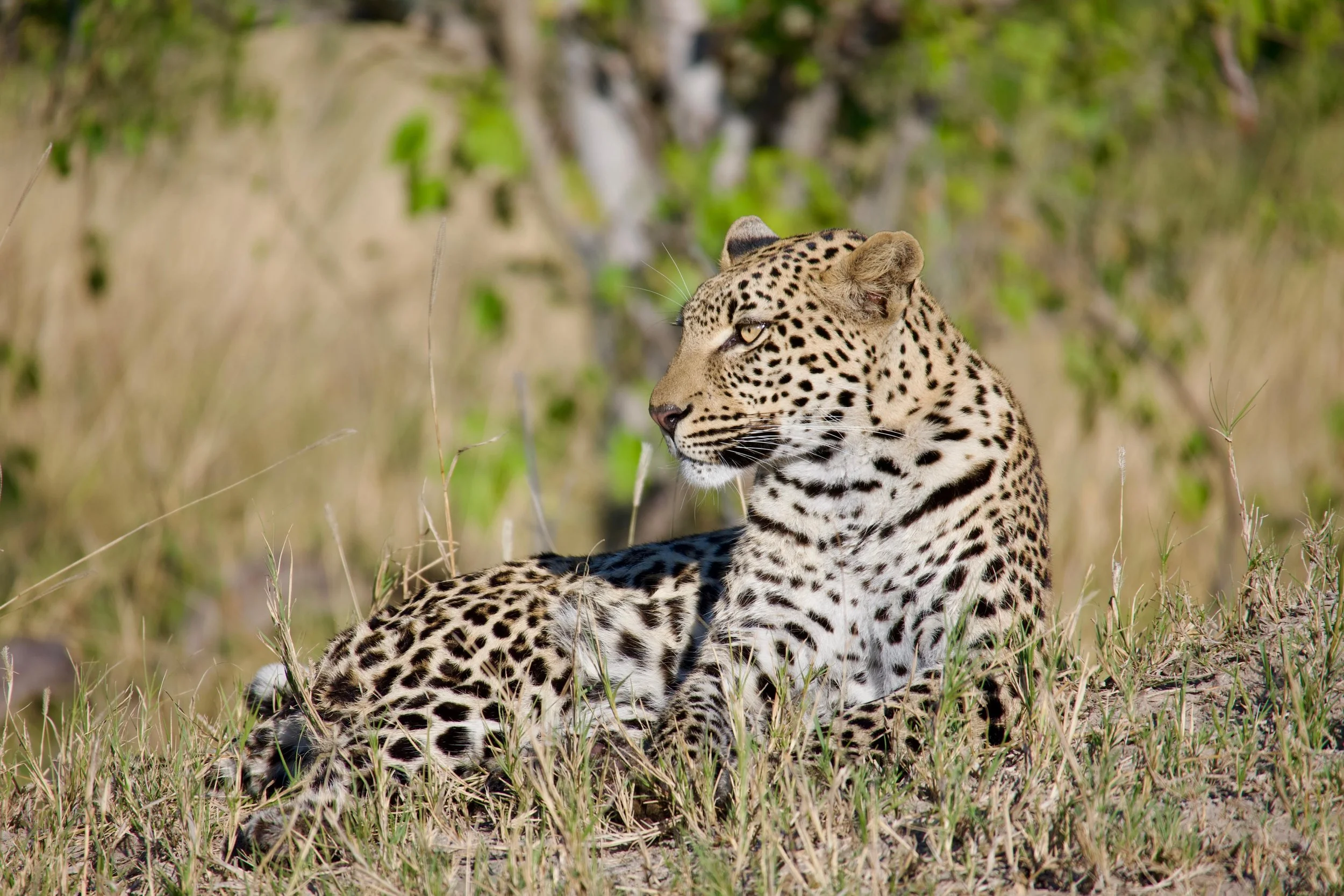
Leopard in Moremi Game Reserve, Botswana at sunrise
Stop 4 — The Inner Okavango Delta: Pure Immersion
The heart of the Delta is unlike anywhere else on Earth.
When I visited in June 2025, the waters were just arriving — creating a breathtaking transformation as dry plains slowly turned into shimmering channels.
Exploring this environment by mokoro canoe was one of the most powerful moments of the journey.
It is here that sustainable safari reaches its most refined expression:
Small, discreet camps
Strict conservation standards
Deep respect for fragile ecosystems
The experience feels intimate, quiet, and profoundly restorative.
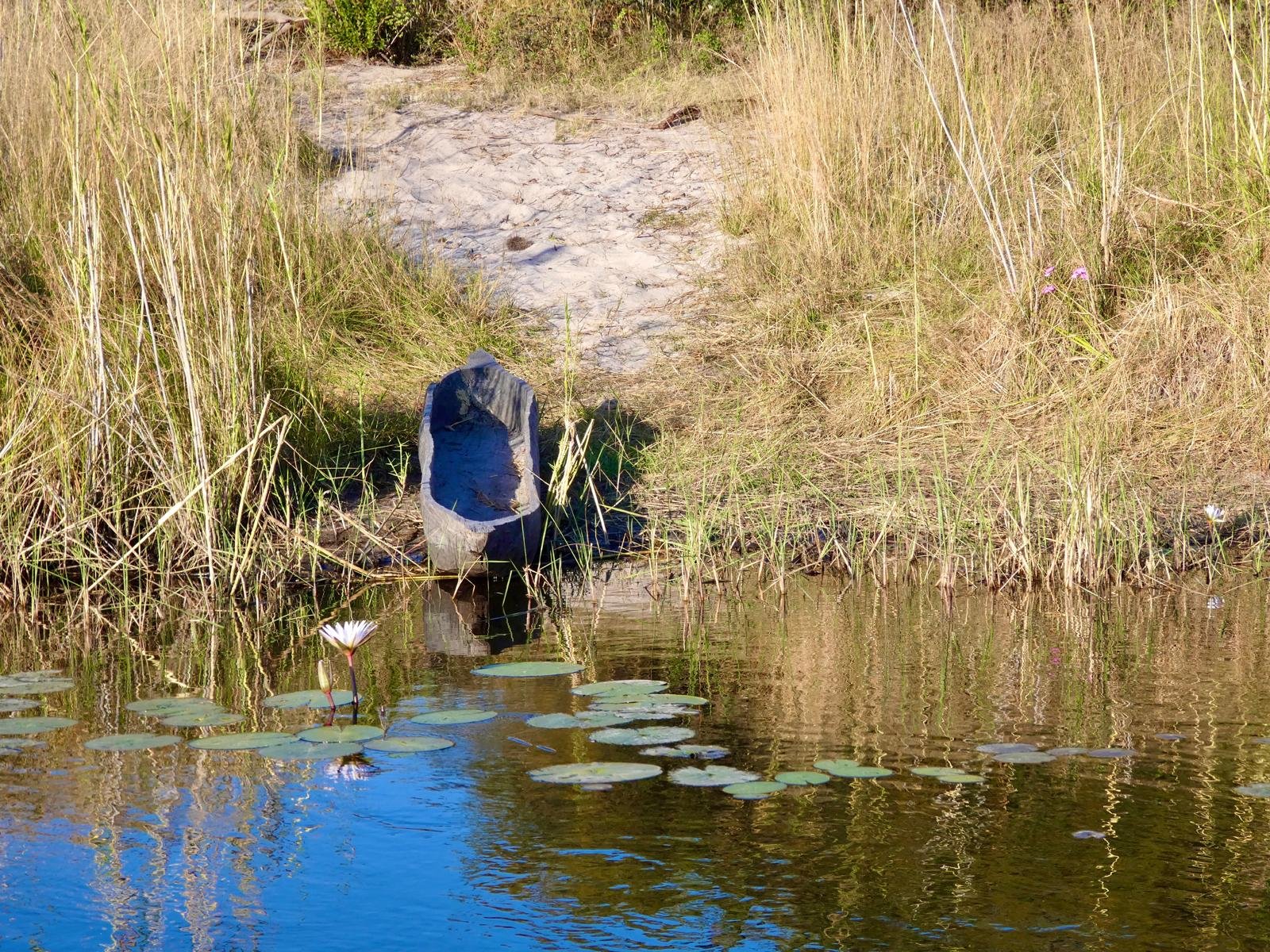
Mokoro, the traditional canoe used to explore the waterways of the Okavango Delta, Botswana
Why a Tailor-Made Eco Safari Makes All the Difference
Botswana is not a destination where you simply “book a trip online.”
Its remote geography, seasonal water cycles, and conservation regulations require expert planning.
A well-crafted itinerary ensures:
The right regions at the right time of year
Lodges aligned with sustainability values
Seamless logistics between remote areas
Truly meaningful wildlife experiences
This is where expert guidance becomes invaluable.
Having personally explored these regions, I help travelers design safaris that balance luxury, authenticity, and environmental responsibility.
Planning Your Own Eco-Friendly Botswana Safari
An eco-responsible safari in Botswana is more than a vacation.
It is:
A chance to experience one of the world’s last great wildernesses
A way to support conservation and local communities
A deeply personal journey into nature
Every itinerary can be tailored to your travel style, interests, and sustainability priorities.
If you’re considering a safari in Botswana and want expert guidance to design a meaningful, responsible journey, I’d be delighted to help you plan an experience that truly reflects your values.