The Okavango Delta: A Natural Miracle Shaped by the Seasons
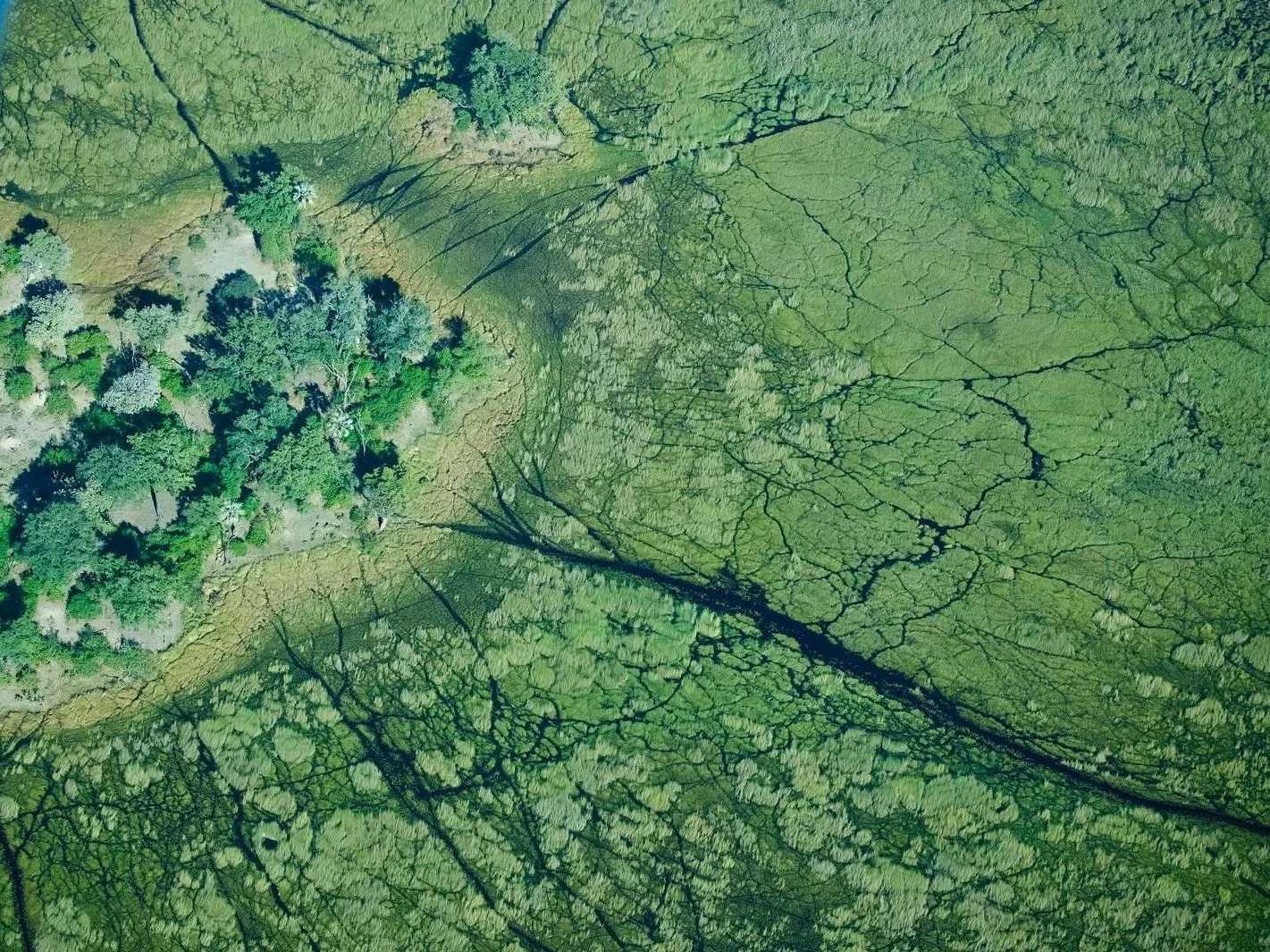
Aerial view of the Okavango Delta revealing its intricate network of winding channels, palm-covered islands, and seasonal floodplains.
Few places on Earth feel as alive, unpredictable, and untouched as the Okavango Delta. In the heart of Botswana, this vast inland delta defies geography: instead of flowing to the sea, its waters spread across the desert, transforming dry land into a mosaic of lagoons, channels, and islands.
It is a landscape shaped not only by water — but by time, wildlife, and the delicate rhythm of the seasons.
I had the chance to experience this extraordinary ecosystem firsthand in June 2025, just as the annual floodwaters were arriving. Watching the Delta slowly fill — day after day — revealed how deeply everything here depends on a cycle that begins far beyond Botswana’s borders.
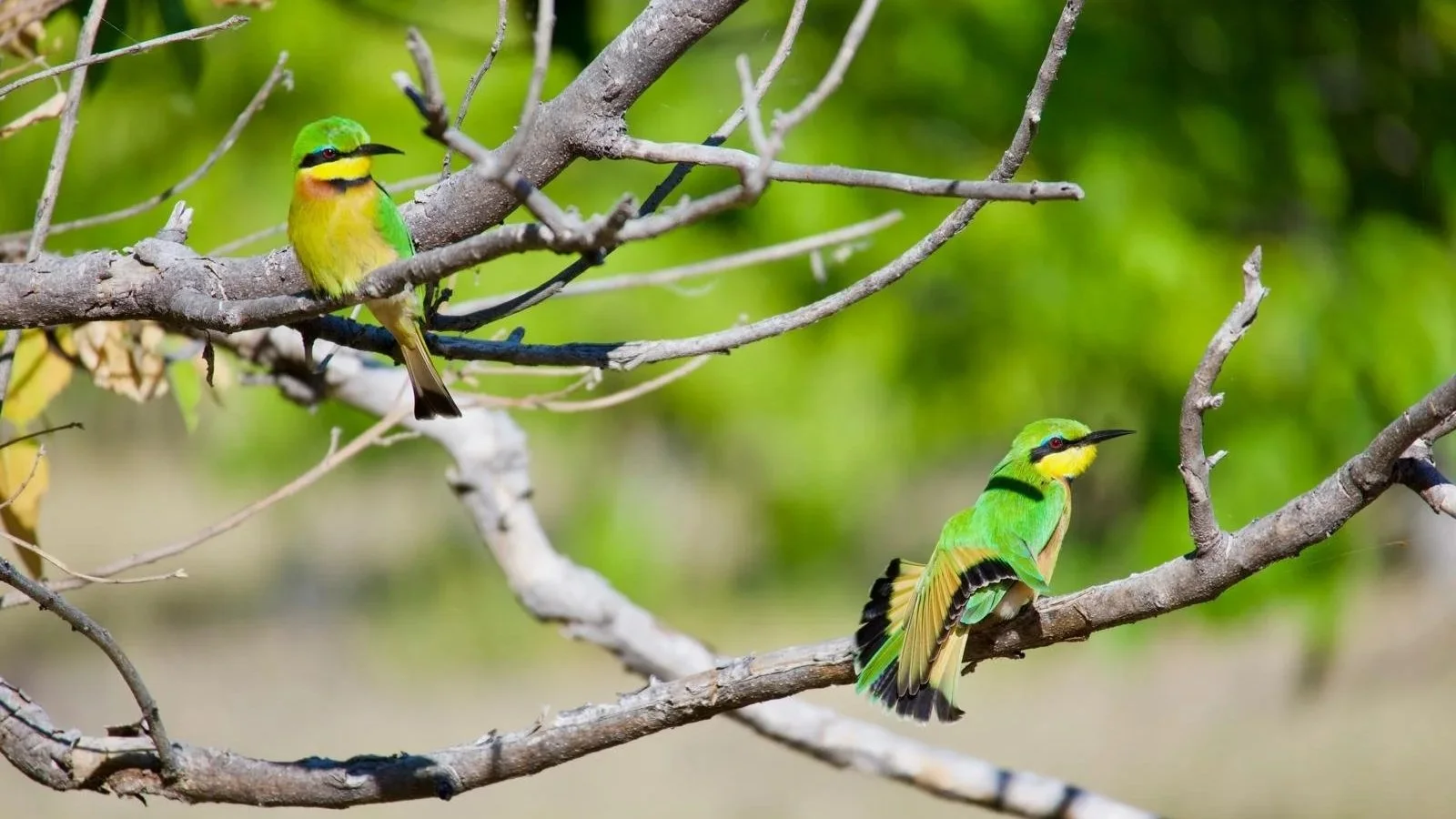
Bee-eaters perched in the Okavango Delta, a vibrant example of the region’s rich birdlife.
A River Born in Angola
The story of the Delta begins more than 1,000 kilometers away, in the highlands of Angola.
Each year, heavy summer rains feed the Okavango River, which then flows southward through Namibia before finally reaching Botswana. Unlike most rivers, it has no outlet to the ocean. Instead, it empties into the Kalahari Basin, where its waters fan out into one of the largest inland deltas on the planet.
What makes this phenomenon even more fascinating is its timing.
The rains fall in Angola between December and March — yet the floodwaters only reach the Delta several months later, typically between May and July. This creates a unique seasonal paradox: flooding arrives during Botswana’s dry season, precisely when wildlife needs water the most.
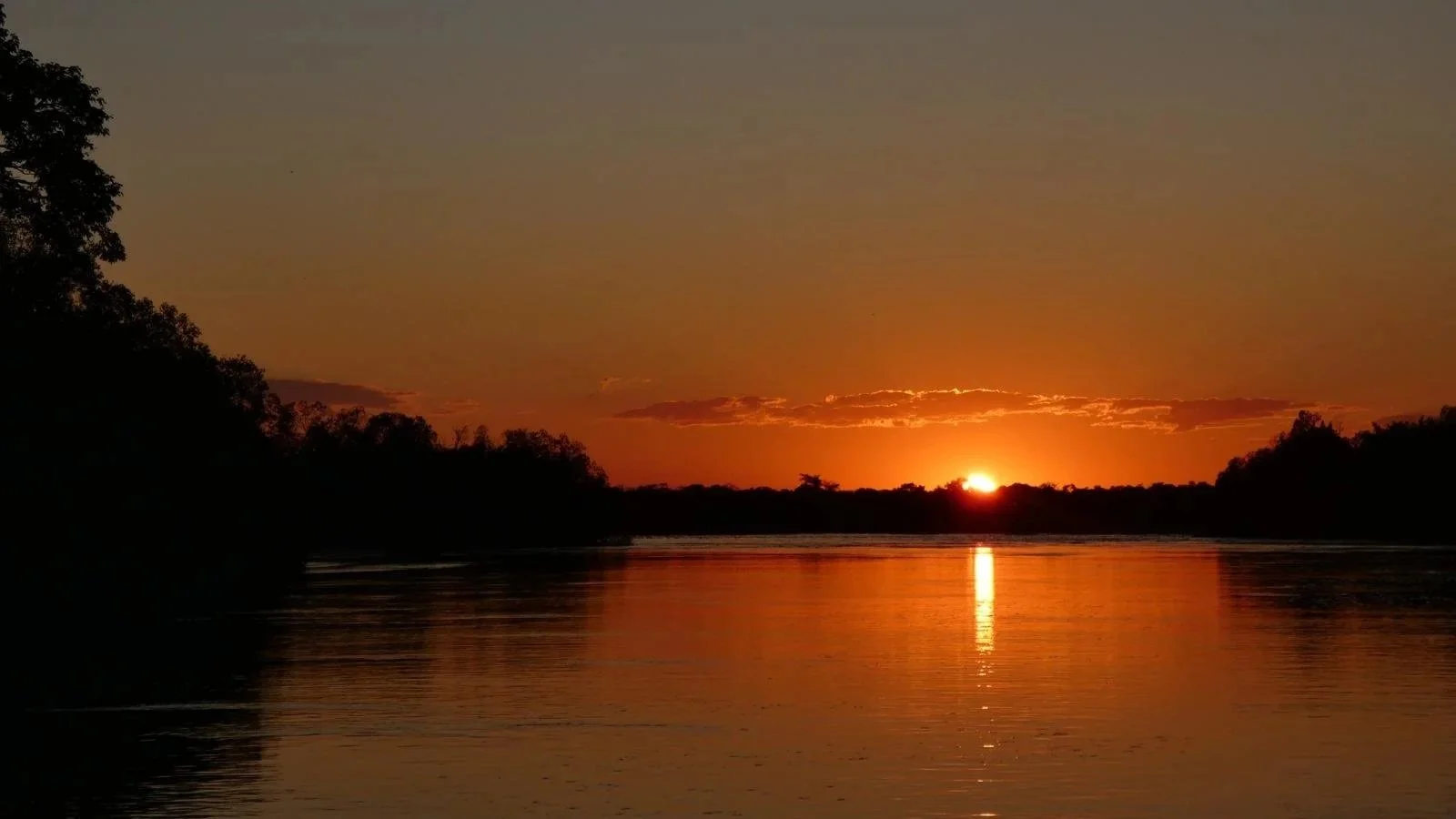
Sunrise over the Okavango River at the border between Angola and Namibia, where the waters begin their journey toward the Delta.
A Landscape Constantly in Motion
When the floodwaters arrive, the transformation is gradual but dramatic.
Dry floodplains become shallow lakes. Narrow channels expand into navigable waterways. Islands emerge and disappear as water levels rise and fall.
This dynamic environment creates extraordinary biodiversity:
Elephants migrate between islands
Antelope gather along lush grazing areas
Predators follow the movement of prey
Birds flourish in seasonal wetlands
Every year, the Delta redraws itself — ensuring that no two safari experiences are ever the same.
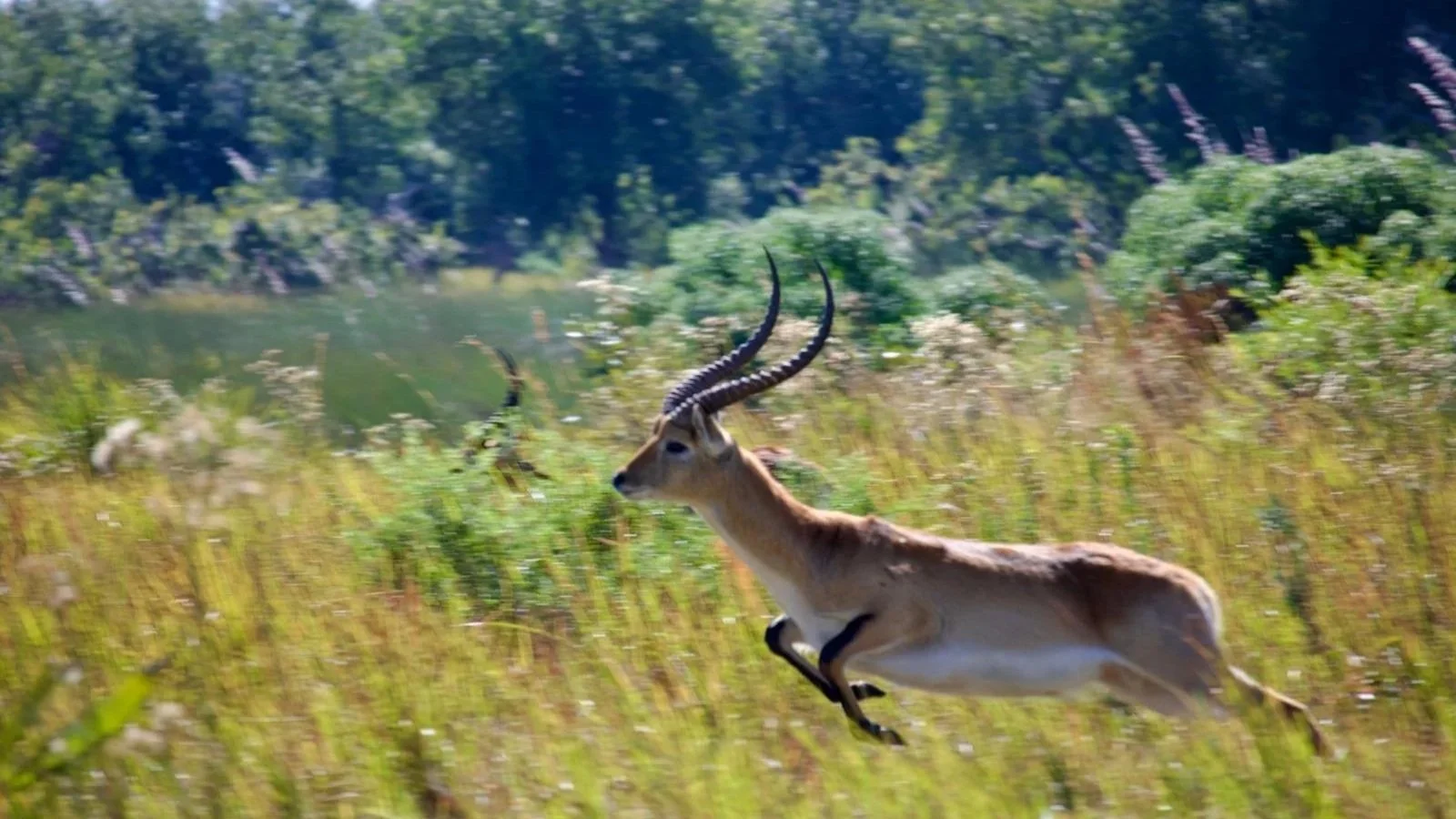
Lechwe antelope in motion on a floodplain island of the Okavango Delta, perfectly adapted to its wetland habitat.
The Silent Engineers: Hippos
Among the Delta’s most important architects are its hippopotamuses.
These massive animals play a surprisingly vital ecological role. As they move between lagoons, they carve out pathways through dense vegetation, creating natural water corridors that later become permanent channels.
Over generations, these hippo trails help shape the entire hydrological system of the Delta. Without them, many waterways would gradually close due to plant growth.
In a sense, the Delta is not only formed by water — it is maintained by wildlife.
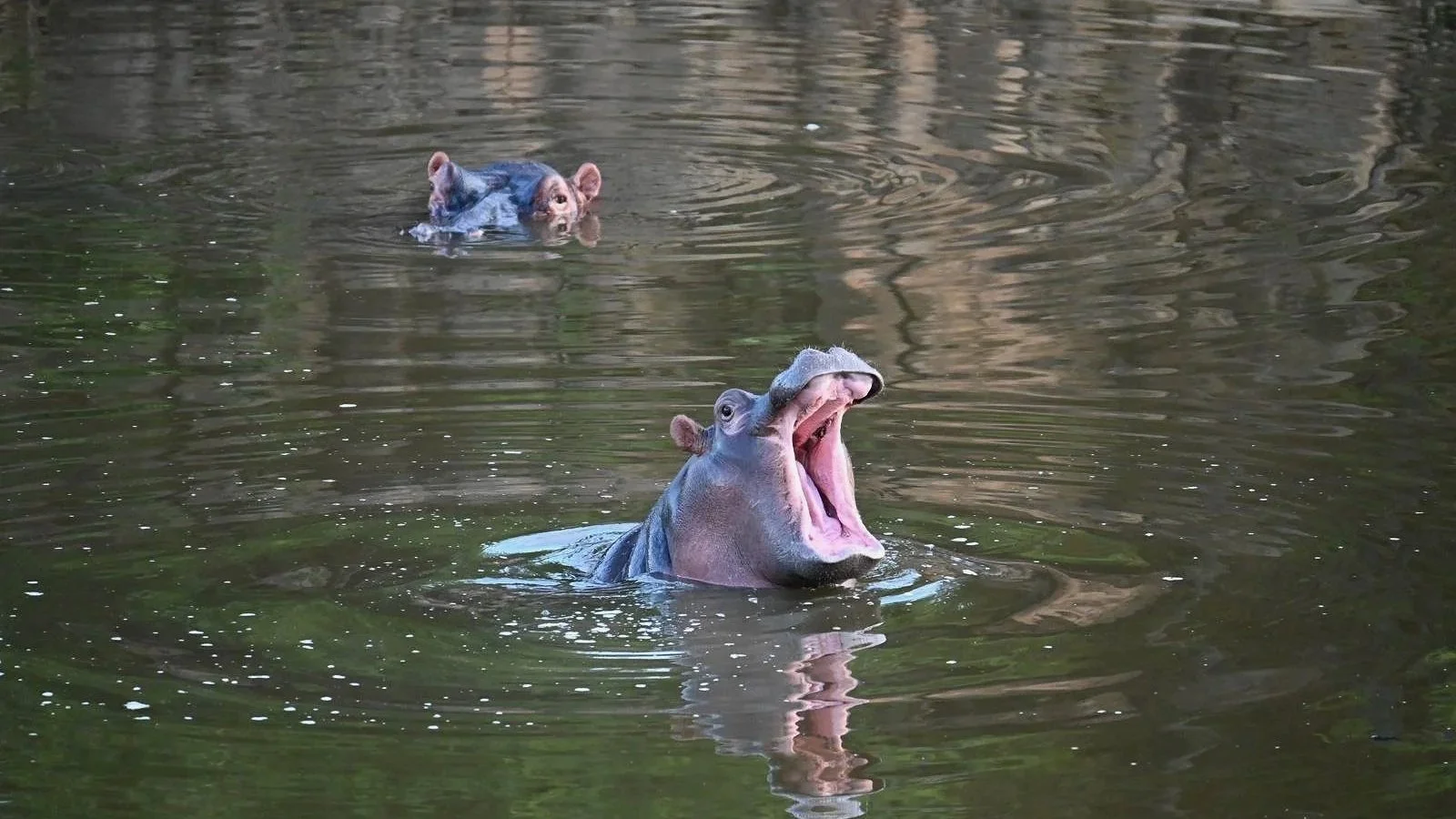
Hippos in a Delta channel, key ecosystem engineers that create and maintain water corridors in the Okavango Delta.
A Destination Defined by Seasonality
One of the most important realities travelers should understand is that the Okavango Delta cannot be visited in the same way year-round.
Flood Season (May – September)
This is the classic safari period:
Water levels are high
Mokoro and boat safaris are possible
Wildlife concentrates on islands
Temperatures are cooler and vegetation thinner
This is also when the Delta feels most magical — a vast oasis shimmering in the dry Kalahari landscape.
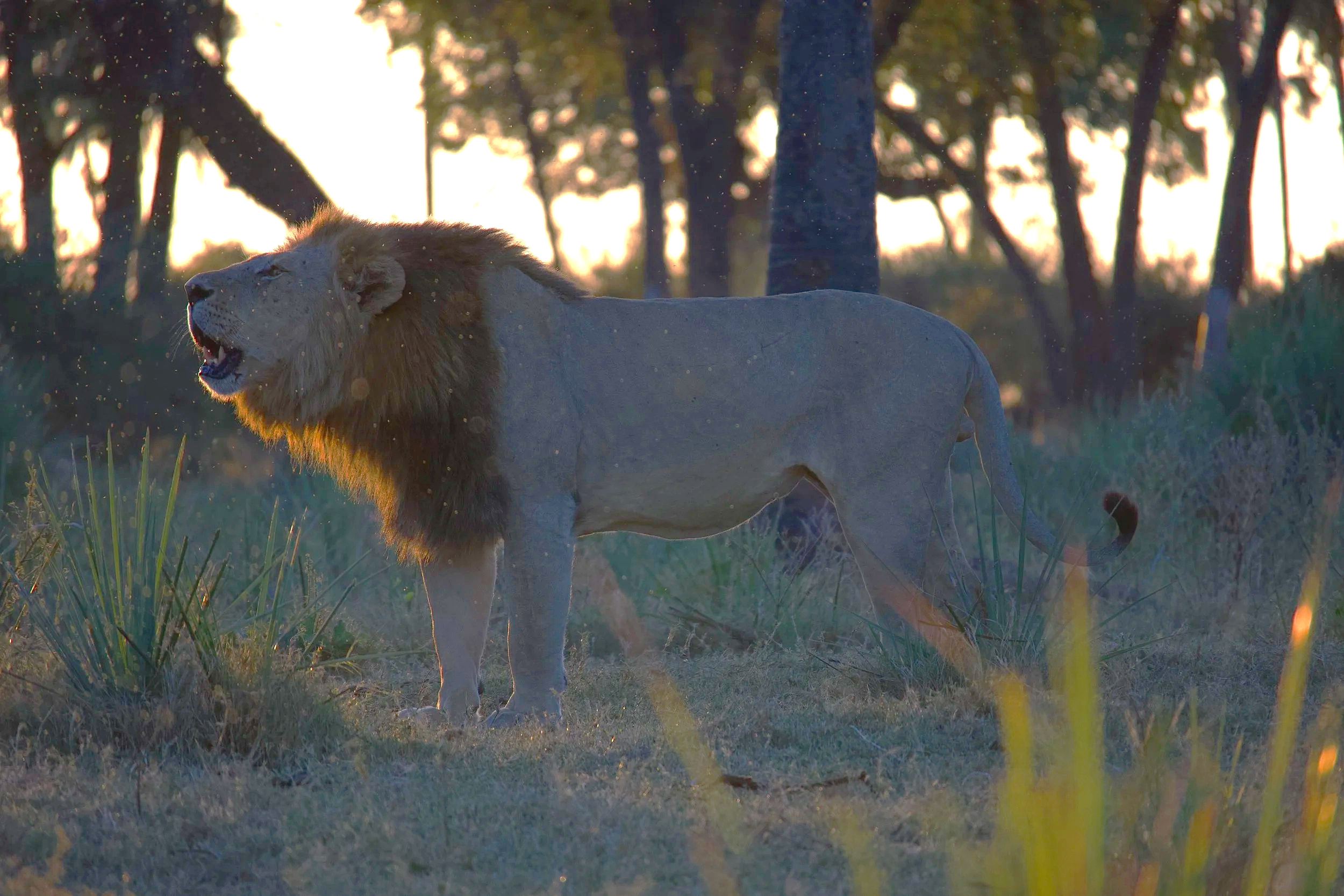
Male lion calling at sunset on an island in the Okavango Delta.
Green Season (November – April)
During the rainy months:
Some remote lodges temporarily close
Certain channels become inaccessible
Landscapes turn lush and vibrant
Yet this period offers its own rewards — especially for birdwatching, as migratory species arrive and the Delta becomes a haven for over 400 bird species.
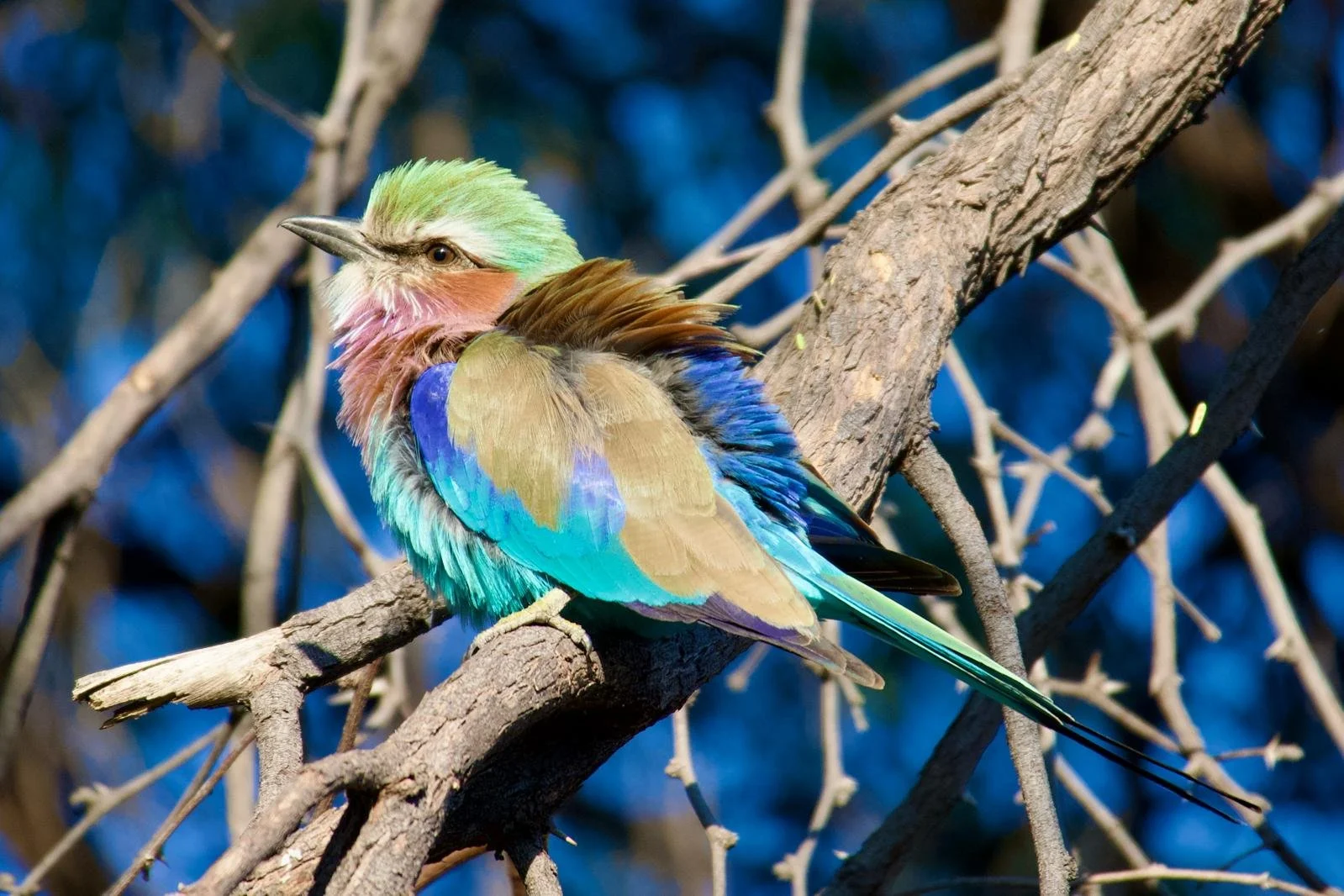
Lilac-breasted roller in the Okavango Delta, one of Africa’s most iconic and colorful safari birds.
Why Lodges Here Are Designed to Disappear
Another unique aspect of the Delta is its strict conservation approach.
Camps are intentionally built to be low-impact and removable, following rigorous environmental guidelines. Structures are typically:
Raised on wooden platforms
Constructed with lightweight materials
Designed without permanent foundations
This ensures that, over time, the Delta can reclaim the land entirely — leaving almost no trace of human presence.
It is one of the world’s most successful models of sustainable luxury tourism.
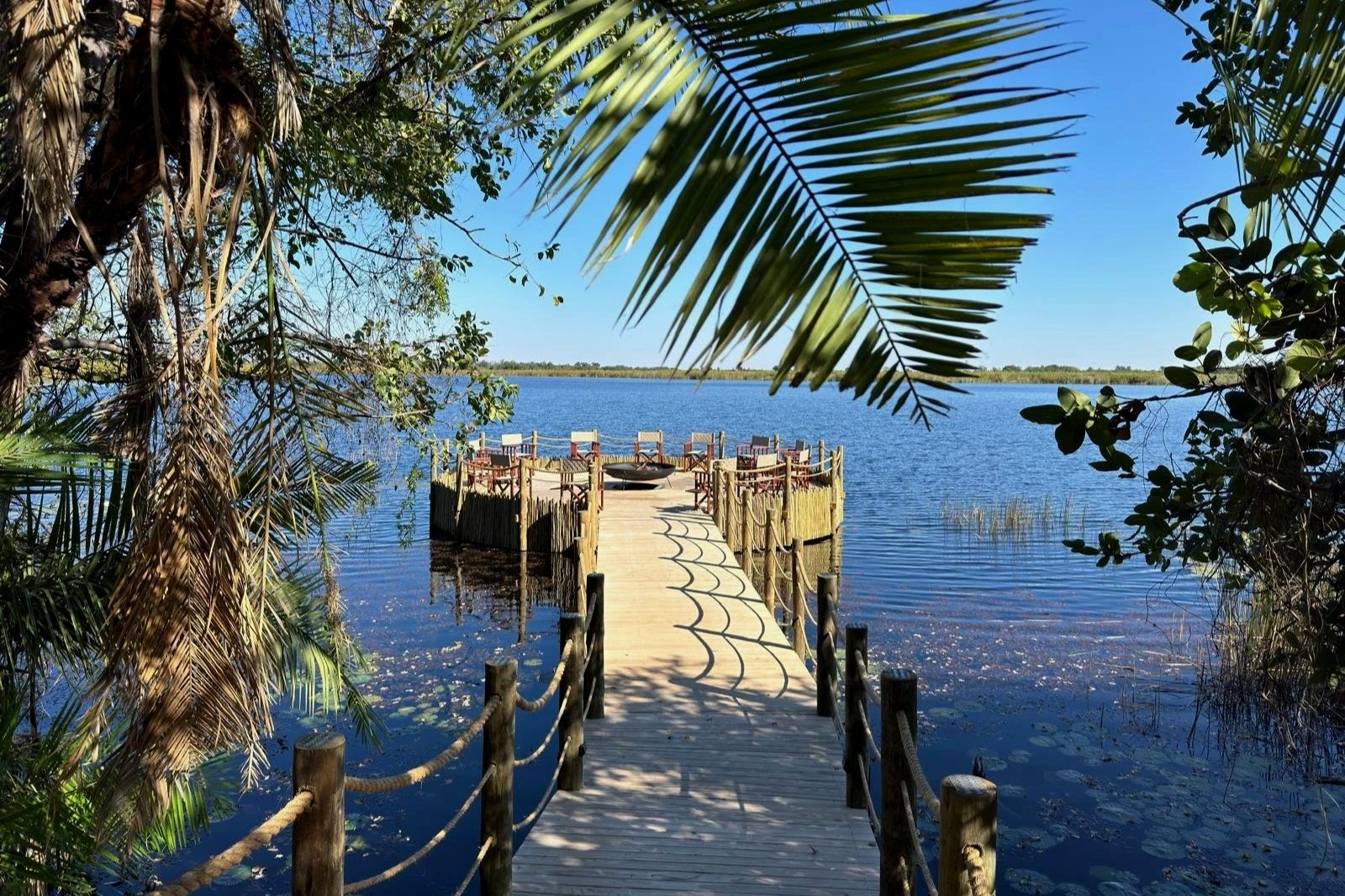
Eco-friendly wooden structures at Xugana Island Lodge, illustrating low-impact lodge design in the Okavango Delta.
Experiencing the Delta at Its Most Alive
During my visit in June 2025, as floodwaters slowly filled the channels, the experience felt almost cinematic.
We glided silently in a mokoro between papyrus walls, watched elephants cross shallow lagoons at sunset, and listened to hippos calling through the night.
What struck me most was not just the abundance of wildlife — but the sense of balance. Everything here moves according to natural rhythms that have remained unchanged for thousands of years.
A Wilderness Worth Protecting
The Okavango Delta is more than a safari destination — it is a fragile ecological masterpiece.
Its survival depends on careful management, responsible tourism, and a deep respect for seasonal cycles.
For travelers seeking to understand how conservation and luxury travel can coexist, the Delta offers one of the most inspiring examples in Africa.
👉 If you’d like to explore this approach further, you can also read my guide:
Eco-Responsible Safari in Botswana: My Ideal Sustainable Itinerary
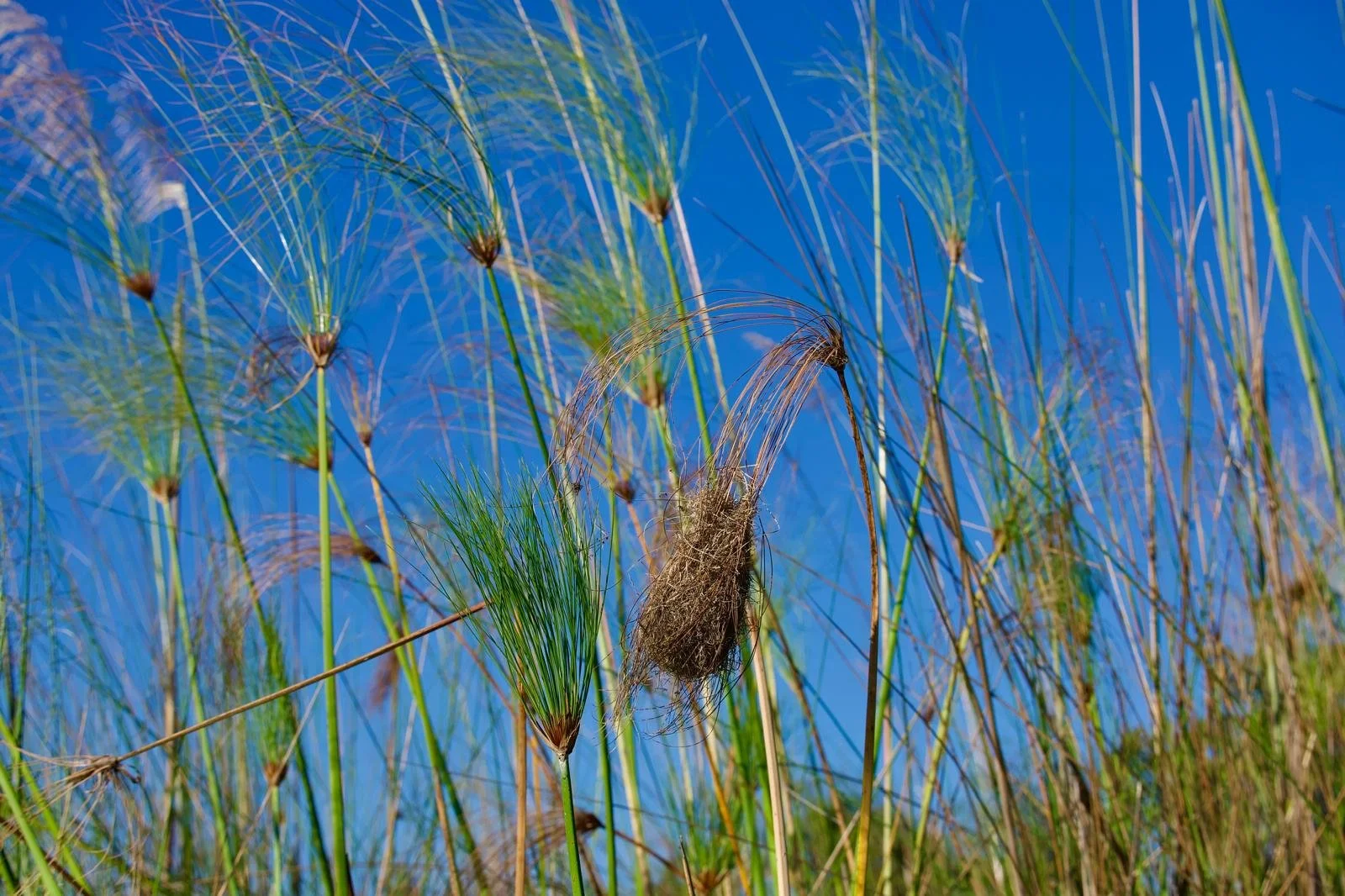
Bird nest hanging on papyrus reeds in the Okavango Delta, highlighting the Delta’s unique wetland habitat.
Planning a journey to the Okavango Delta is not simply about choosing a lodge — it’s about understanding seasons, water levels, wildlife movements, and the subtle differences between each concession.
Having explored the Delta personally during the 2025 flood season, I help travelers design tailor-made safaris that align perfectly with their expectations, travel dates, and style.
Whether you dream of gliding silently in a mokoro at sunrise, staying in a remote water camp, or combining the Delta with other iconic regions of Botswana, I can guide you toward the most meaningful and sustainable experience.
→ Start planning your bespoke Okavango safari by getting in touch.