South Africa Wildlife Seasons: Plan Your Safari at the Right Time
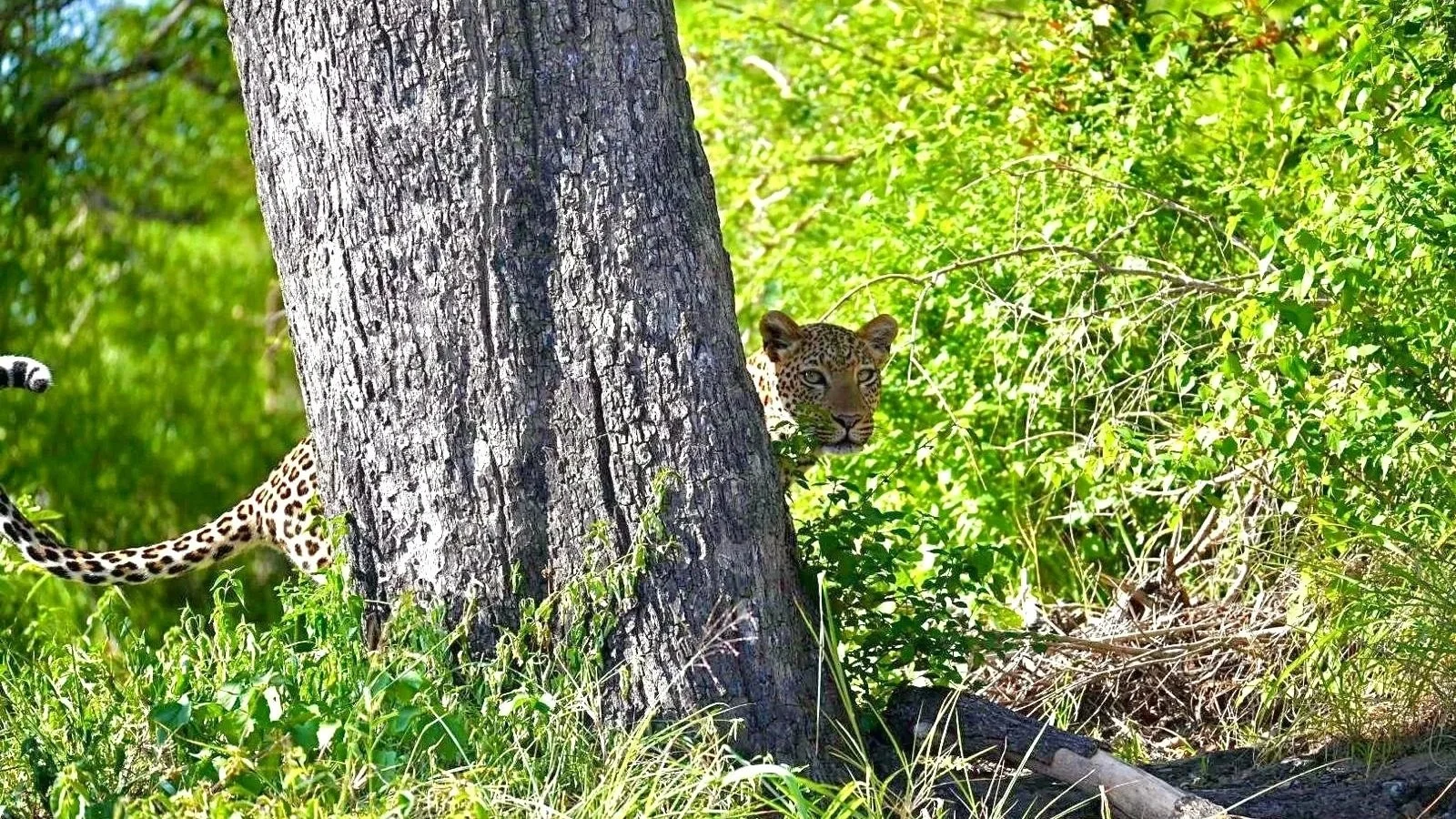
Leopard spotted in Kruger National Park
South Africa is a wildlife lover’s dream, with its diverse landscapes ranging from vast savannas and wetlands to forests and mountains. Planning your safari at the right time is crucial for wildlife sightings, comfortable travel, and health considerations. This guide will help you know when to visit, where to go, and what to expect in each season.
Best Regions for Wildlife Observation
Kruger National Park – One of Africa’s most famous parks, home to the Big Five (lion, leopard, elephant, rhino, buffalo). Offers incredible wildlife viewing year-round, but malaria precautions are advised.
Addo Elephant Park – Malaria-free and perfect for elephant sightings and coastal wildlife. Ideal for family safaris.
Hluhluwe-iMfolozi Park – Known for rhinos, smaller crowds, and beautiful bush scenery. Located in a malaria area, so precautions are needed.
St. Lucia Wetlands – Wetlands full of hippos, crocodiles, and birds. Malaria risk exists here; mosquito protection is recommended.
Malaria-free options: Addo Elephant Park and parts of the Western Cape, such as Garden Route, are ideal for travelers concerned about mosquitoes.
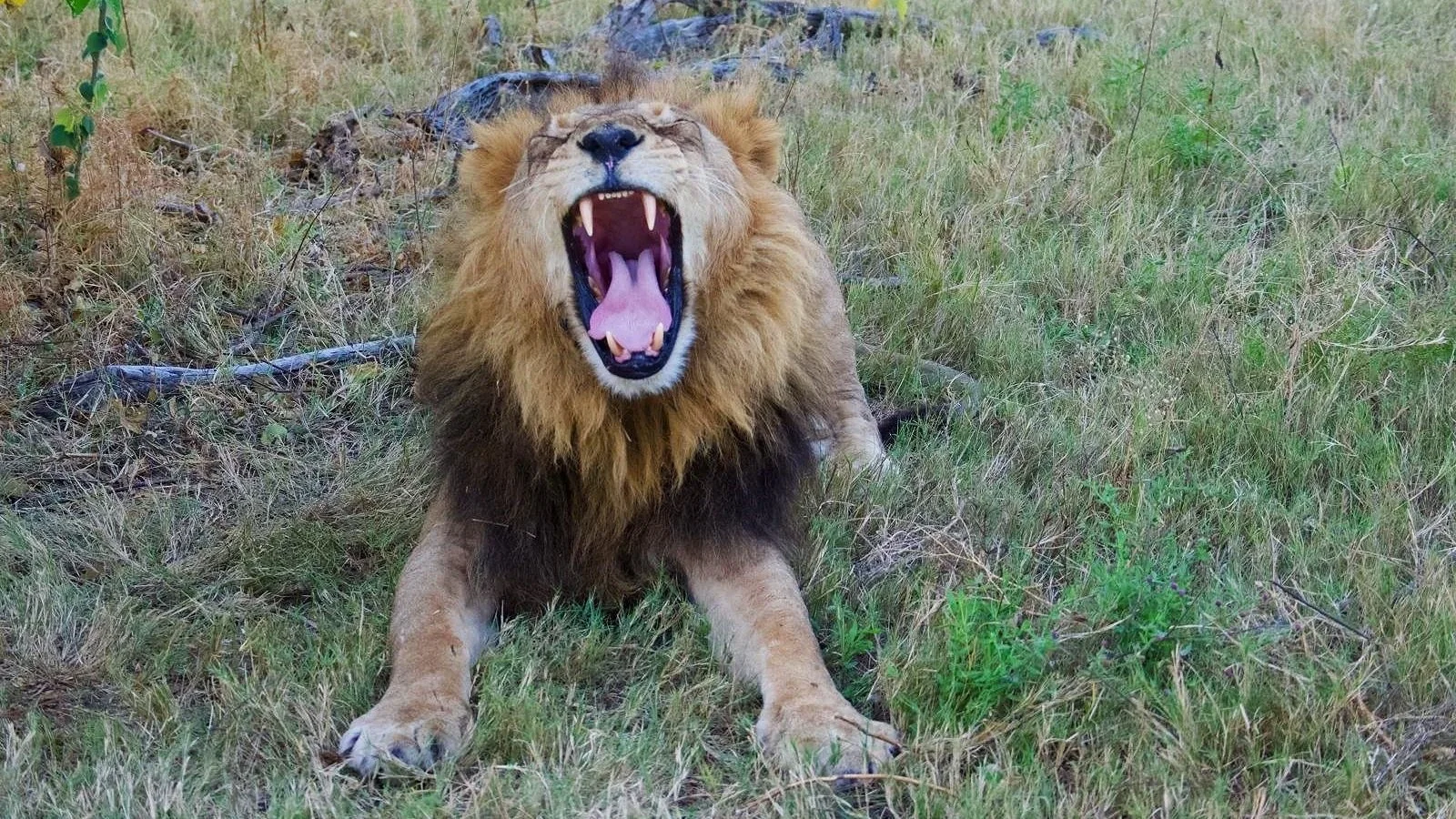
Male lion stretching and waking up from a nap after a big meal in Kruger National Park
Seasonal Guide to Wildlife in South Africa
1. Summer (November – March) – Hot and Rainy Season
Pros: Lush green landscapes, excellent birdwatching, and many animals giving birth. Baby animals, such as impalas, zebras, and elephants, can often be spotted in these months.
Cons: High rainfall can make wildlife harder to spot because vegetation grows thick, rivers may flood, and many roads can become muddy or impassable. Mosquito activity increases, so malaria precautions are essential in risk areas.
2. Autumn (April – May) – Cooling Down
Pros: Temperatures are milder, rainfall decreases, and wildlife is easier to see as grasses dry. This is a great time for photography and comfortable safaris.
Baby animals are still visible, and many waterholes are active for predator sightings.
3. Winter (June – August) – Dry Season
Pros: Clear skies, lower humidity, and minimal rainfall. Animals gather around rivers and waterholes, making sightings very predictable.
Cons: Early mornings and nights can be chilly, so pack layers.
This is the peak season for spotting predators and large game, but baby animals are less common. Malaria risk is much lower during the dry season.
4. Spring (September – October) – Warming Up
Pros: Blooming flora, active wildlife, and migratory birds returning. Predators and herbivores are increasingly visible.
This is also a great time for spotting baby animals born in late summer and early spring.
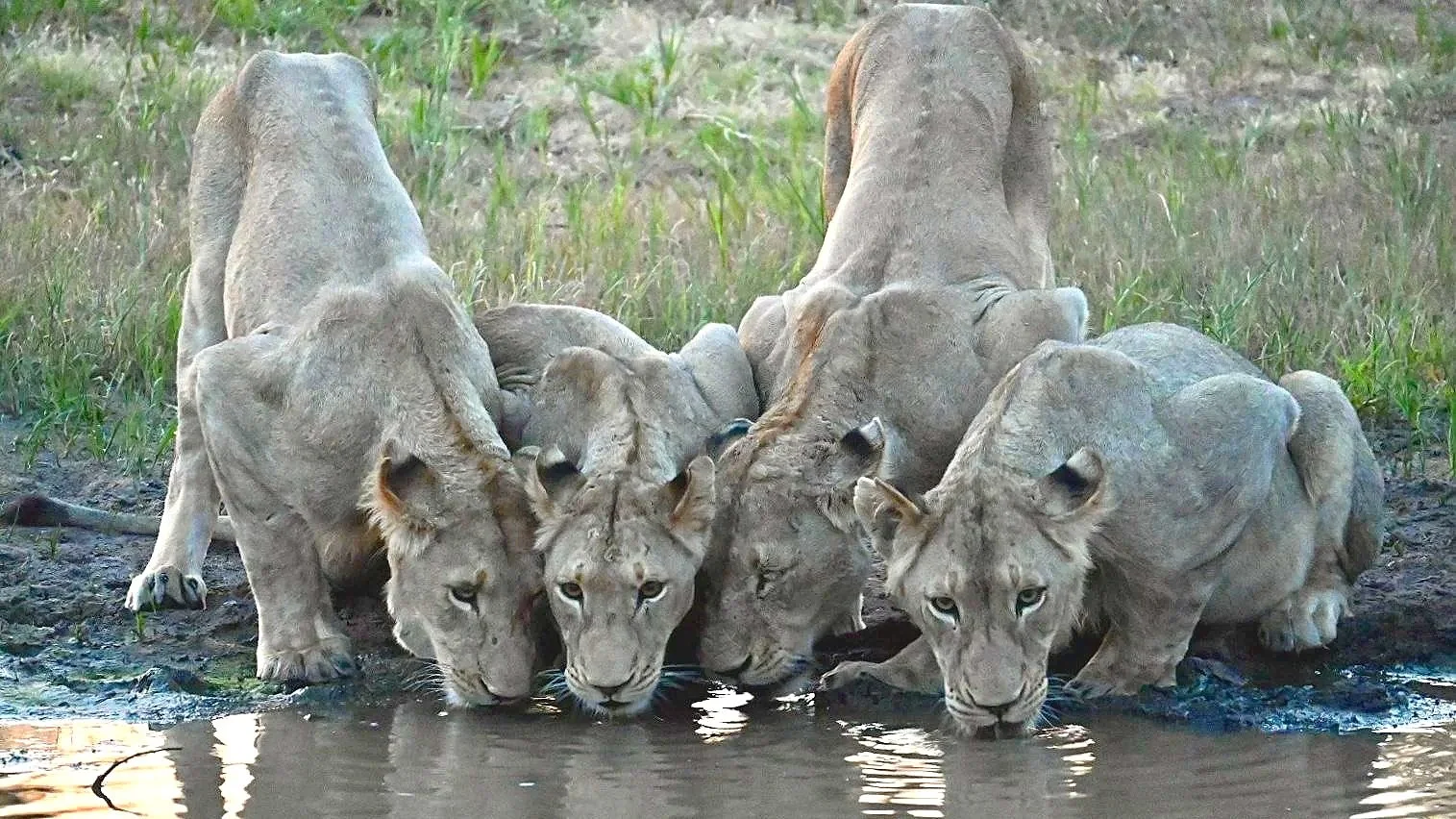
Thirsty lionesses approaching a waterhole together in Kruger National Park, South Africa
Health Considerations: Mosquitoes and Malaria
Many travelers worry about mosquitoes and malaria in South Africa, especially in the Lowveld (Kruger, Hluhluwe-iMfolozi, St. Lucia).
High-risk areas: Kruger National Park, St. Lucia Wetlands, and surrounding low-lying regions during the rainy season.
Low or no risk areas: Addo Elephant Park, Garden Route, and Table Mountain areas are malaria-free.
Tips:
Wear long sleeves and trousers in the evenings.
Use insect repellent with DEET.
Sleep under mosquito nets in high-risk regions.
Best Times to See Cubs and Baby Animals
Summer (Nov – Mar): Ideal for seeing newborns such as zebras, wildebeest, impalas, and elephants.
Autumn (Apr – May): Many young animals are still active and easier to spot in open grasslands.
Winter: Less activity from newborns; focus shifts to predators and big game congregating around water sources.
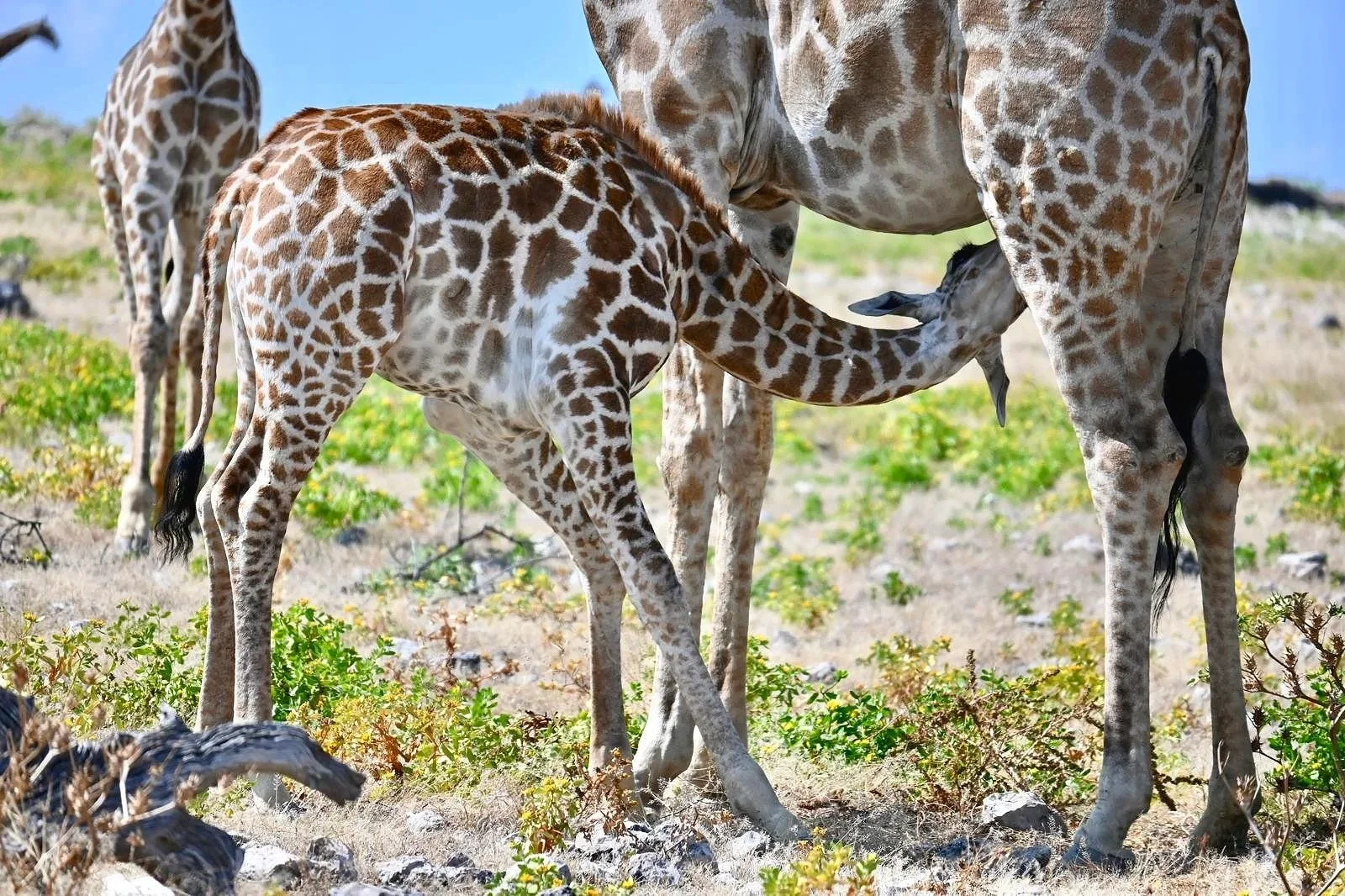
Tender moment of a baby giraffe drinking from her mother in Kruger National Park
Tips for Planning a Successful Safari
Book early for peak seasons (dry winter months, June–August).
Hire local guides who know the terrain, wildlife habits, and malaria precautions.
Pack appropriately: layers for winter mornings, light clothing for summer, and rain gear for wet season.
Respect wildlife and environment: maintain distance, avoid feeding animals, and follow park regulations.
Combine regions: mix malaria-free parks like Addo with iconic Big Five areas for a safe and varied experience.
Make Your Safari Unforgettable
South Africa’s wildlife experiences are unforgettable when timed right. Whether you want to see baby animals in summer, chase predators in the dry winter, or enjoy a malaria-free safari, I can help plan a trip tailored to your interests. Choose between luxury lodges, self-drive adventures, or guided game drives to create your perfect wildlife journey.