Okavango Delta Mokoro Safari: Glide Through Botswana’s Scenic Waterways
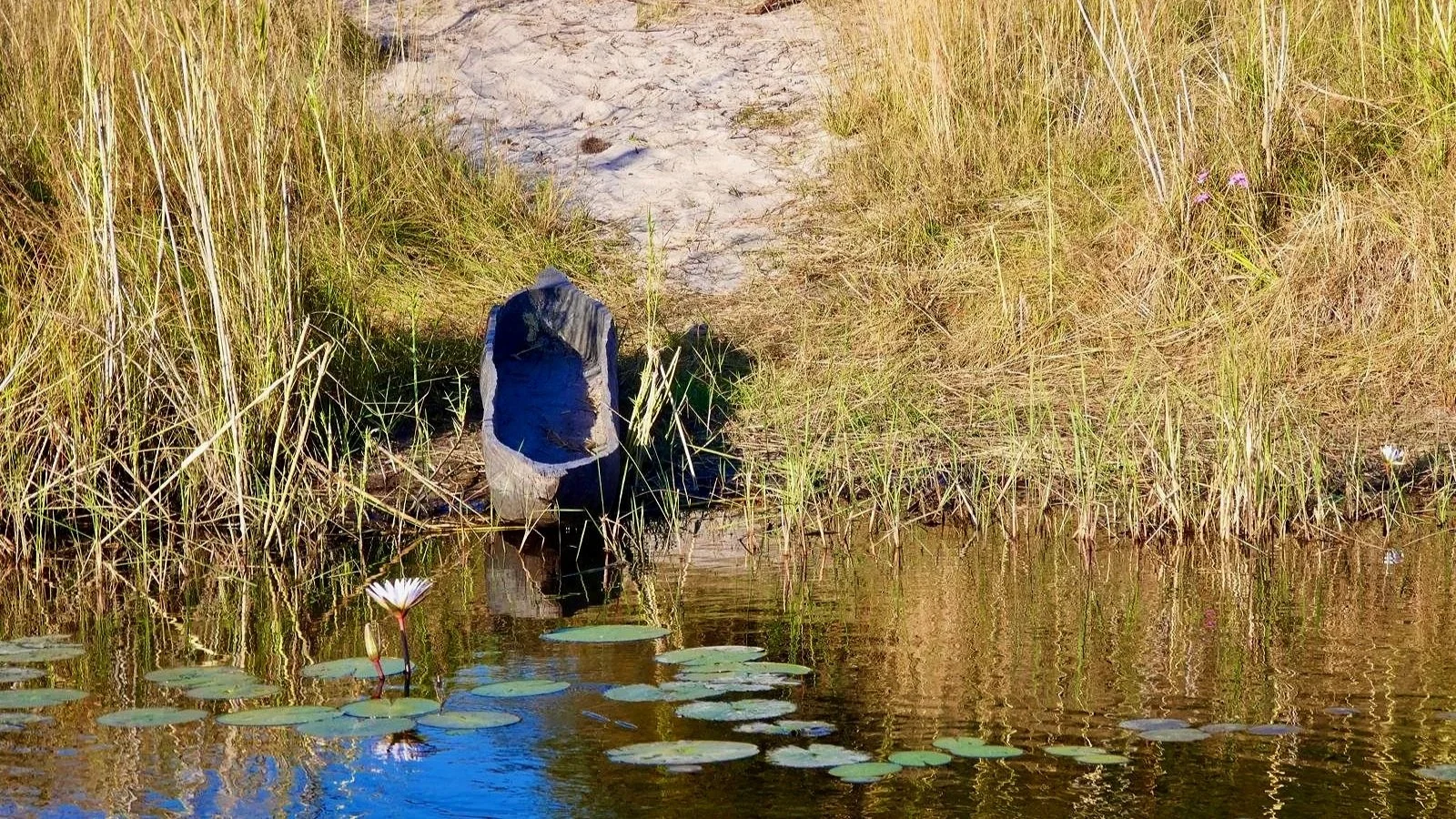
Traditional Mokoro in the Okavango Delta, Botswana
A mokoro safari in the Okavango Delta offers an unforgettable way to explore one of Africa’s most unique ecosystems. These traditional dugout canoes provide a peaceful, immersive experience, gliding silently through winding channels, reed-fringed lagoons, and flooded plains.
Where to Go in the Okavango Delta
The Okavango Delta is vast, so most safari operators focus on key areas for mokoro excursions:
Moremi Game Reserve – A rich area for wildlife and scenic waterways.
Chief’s Island – Central part of the delta with excellent birdwatching and wildlife sightings.
Xakanaxa – Ideal for serene mokoro trips and spotting aquatic wildlife.
These areas are perfect for paddling through quiet channels, observing hippos, elephants, and countless bird species up close.
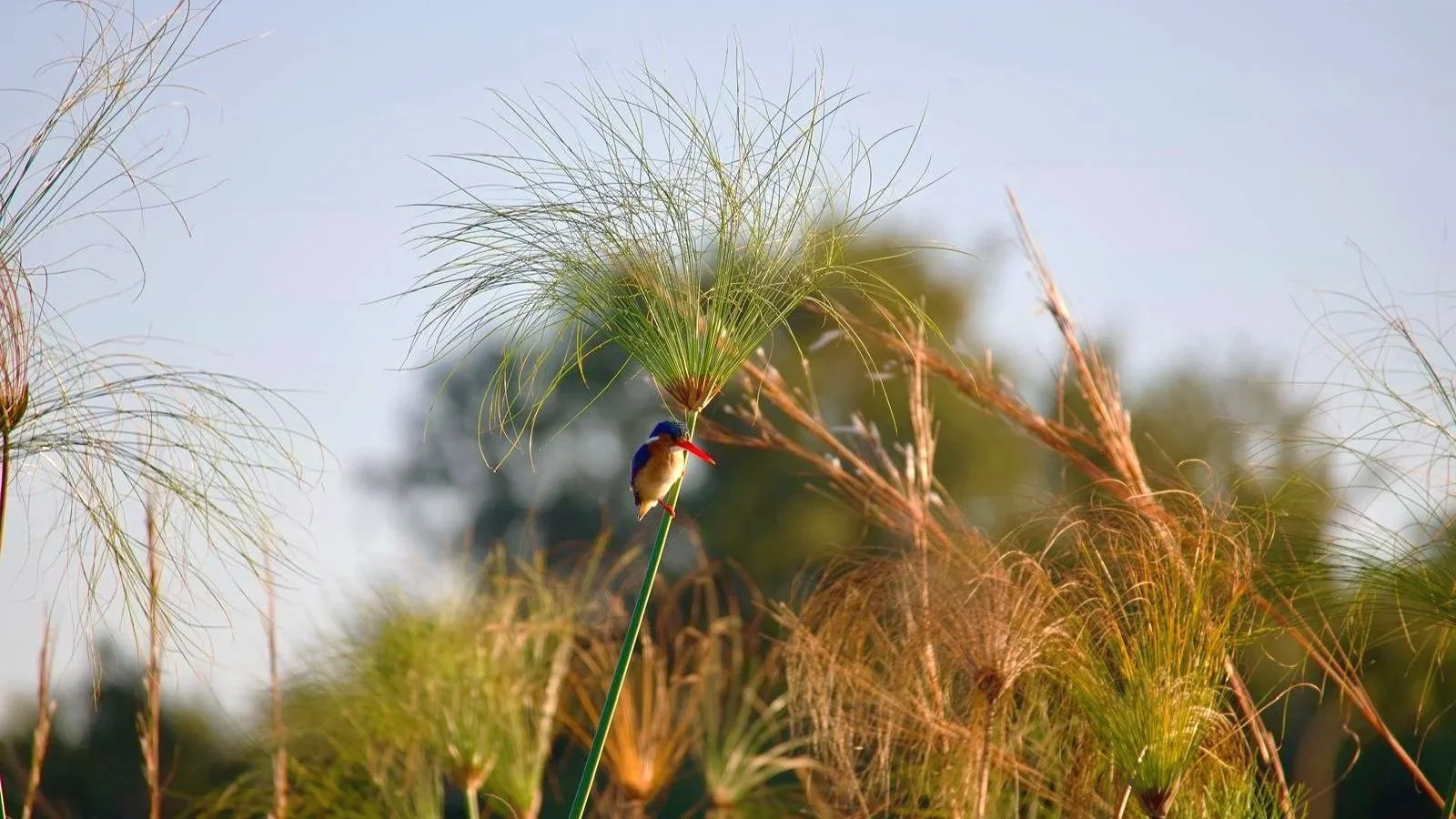
Malachite kingfisher perched on a papyrus branch in the Okavango Delta - spotted during a Mokoro safari
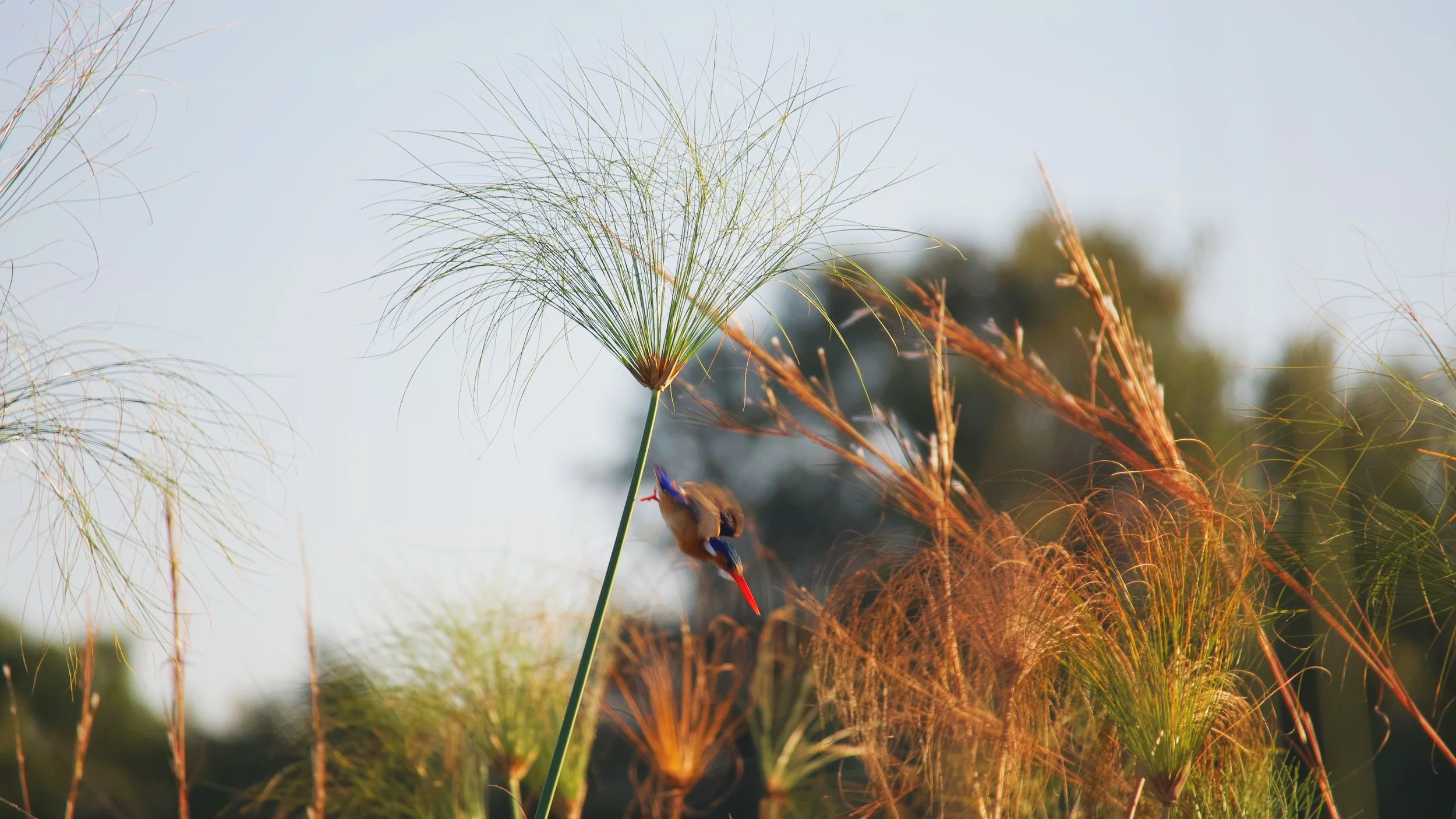
Malachite kingfisher diving into the water to catch a fish in the Okavango Delta
How a Mokoro Safari Works
A mokoro is a narrow dugout canoe traditionally propelled by a guide using a long pole. The safari is usually:
Guided by local experts, ensuring safe navigation and wildlife knowledge.
Slow-paced, allowing for close observation of animals and birds without disturbing them.
Eco-friendly, with minimal impact on the delicate wetland ecosystem.
Some safaris include overnight camping on islands, giving you a full experience of delta life.
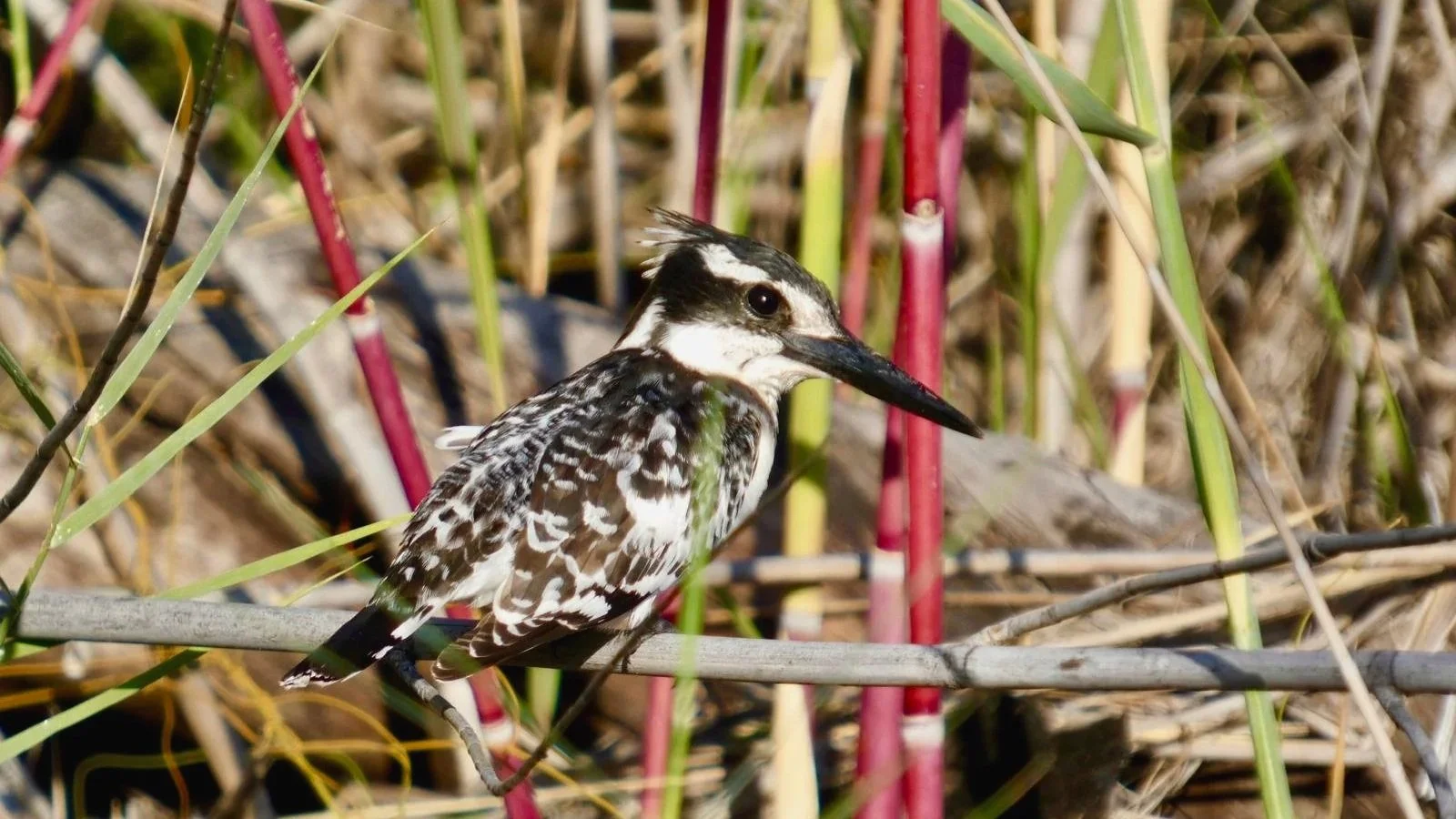
Pied kingfisher perched on a reed branch along a channel in the Okavango Delta
Wildlife to Expect
On a mokoro safari, you may encounter:
Elephants wading through shallow waters
Hippopotamuses and crocodiles in the channels
African fish eagles, kingfishers, and other wetland birds
Occasional sightings of leopards and buffalo along riverbanks
The calm movement of the mokoro allows for intimate wildlife encounters that larger boats cannot provide.
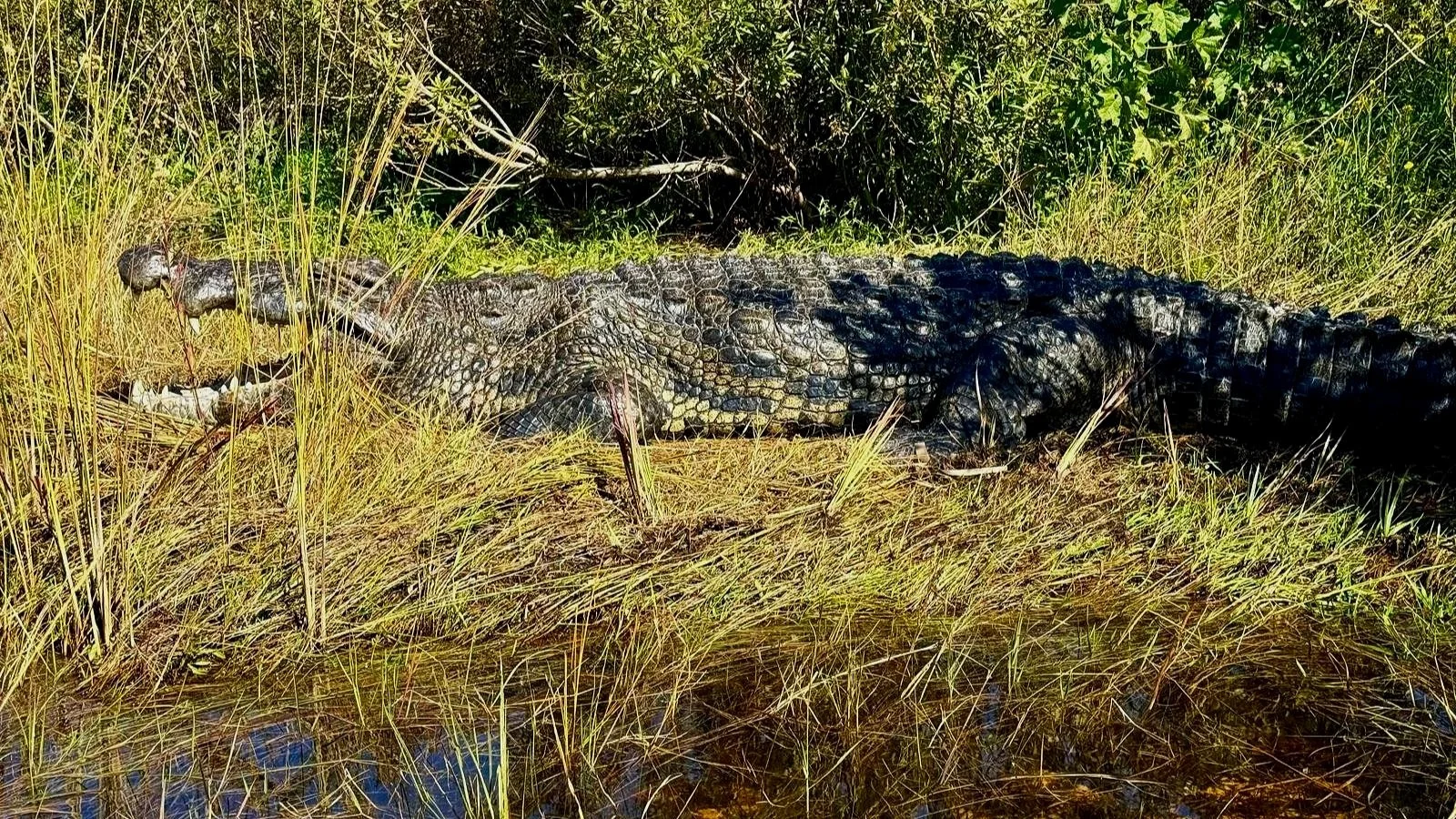
Massive Nile crocodile resting on the riverbank of the Okavango Delta, estimated to be over 50 years old
Best Time to Visit
Dry season (May to October) – Water levels are lower, animals concentrate near channels, and the weather is cooler.
Flood season (November to April) – Lush landscapes and higher water levels; mokoro navigation may be more challenging but the scenery is spectacular.
Learn more about how the delta’s seasonal changes shape its wildlife and landscapes in my article: The Okavango Delta: A Natural Miracle Shaped by the Seasons.
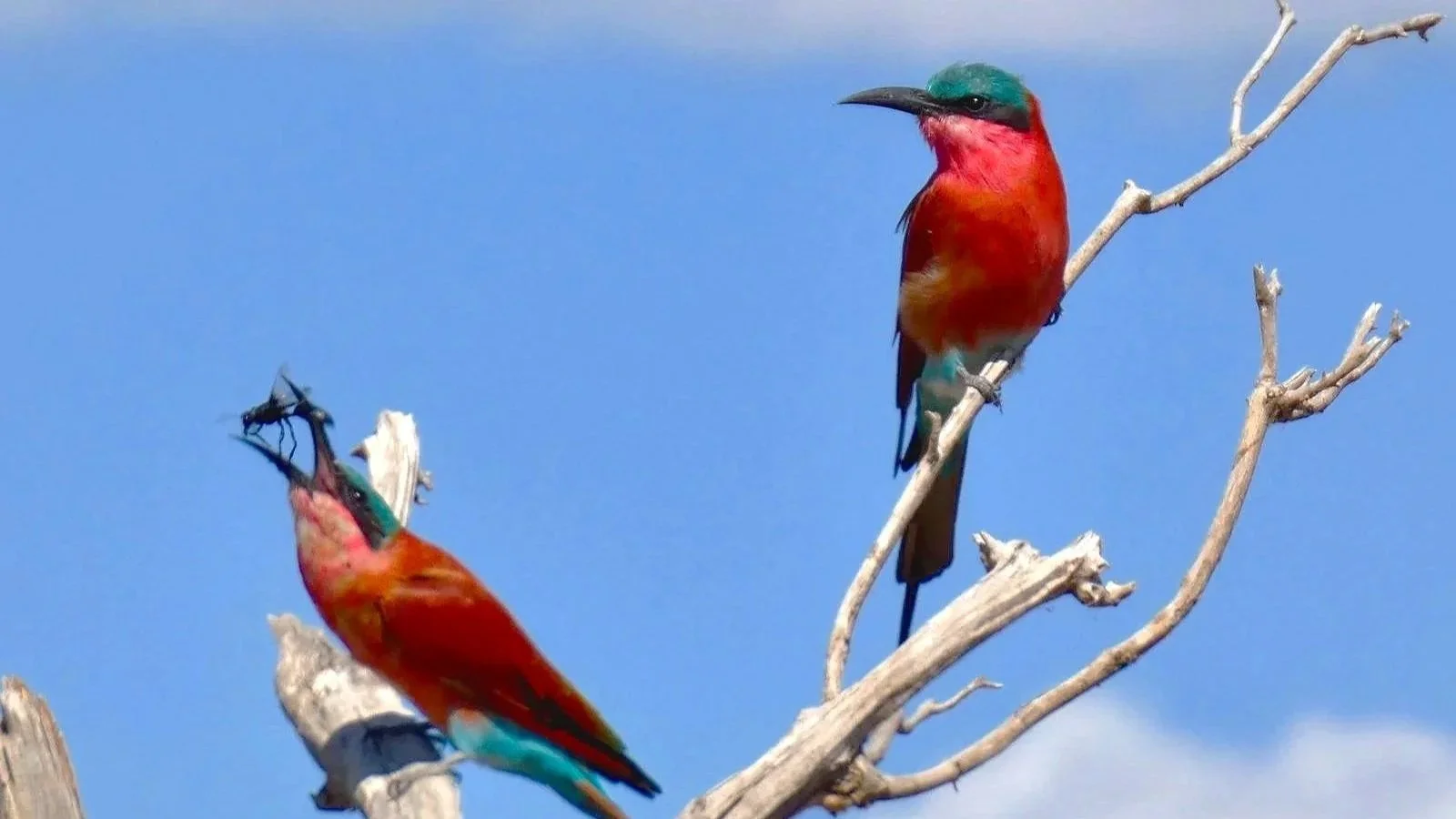
Two Southern Carmine Bee-eaters in the Okavango Delta, one catching an insect in flight, showcasing their vibrant plumage
Tips for a Responsible Safari
Always follow your guide’s instructions.
Keep a safe distance from wildlife.
Avoid touching or feeding animals.
Respect local communities and traditions.
Support lodges and operators committed to conservation.
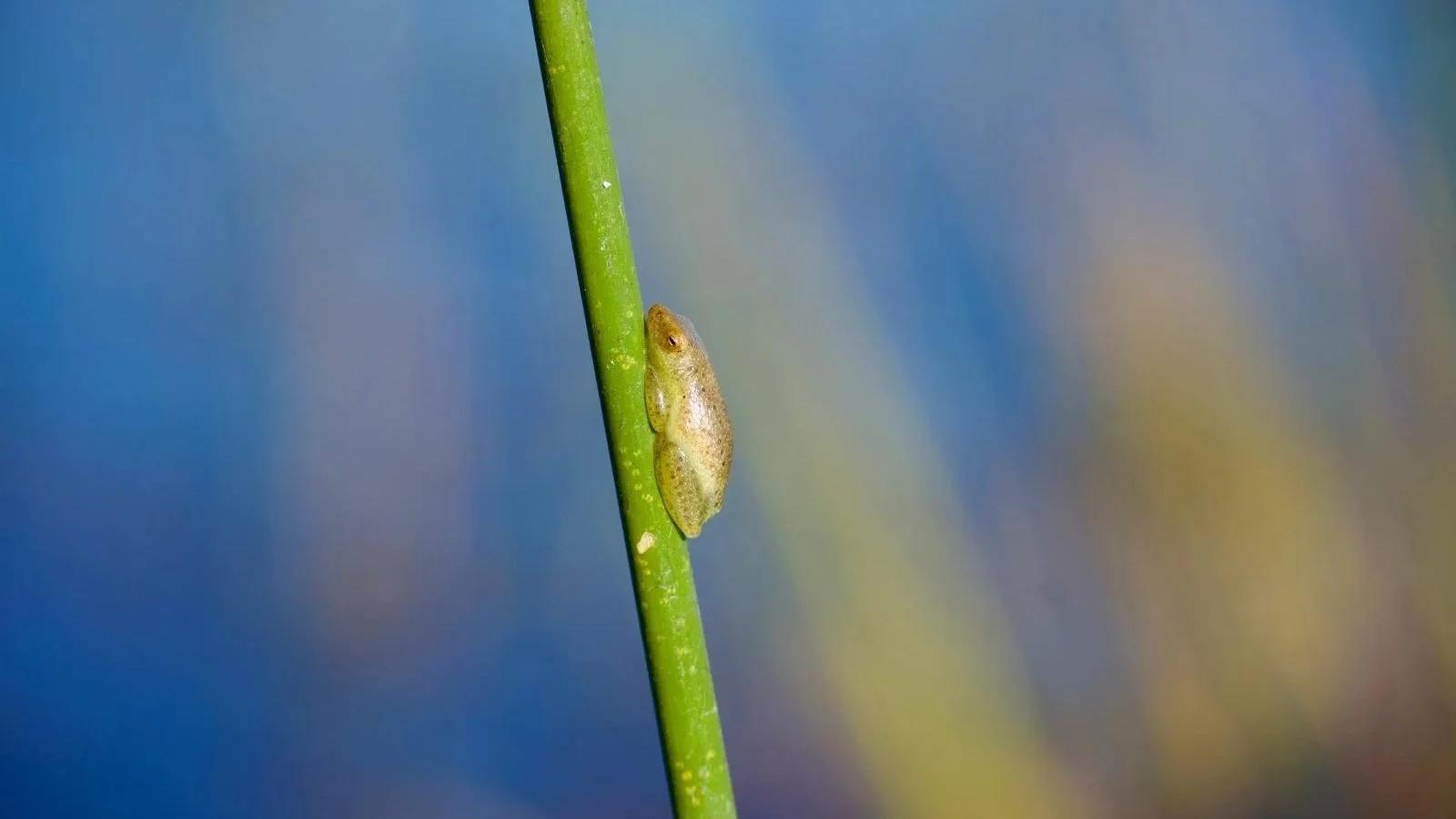
Long Reed Frog camouflaged on a reed in the Okavango Delta, carefully spotted during a Mokoro safari
Make It Your Adventure
Want to experience a mokoro safari in the Okavango Delta? I can help plan your trip, whether you prefer camping under the stars on delta islands or staying in luxury lodges with guided excursions, giving you the chance to explore Botswana’s waterways safely and memorably.
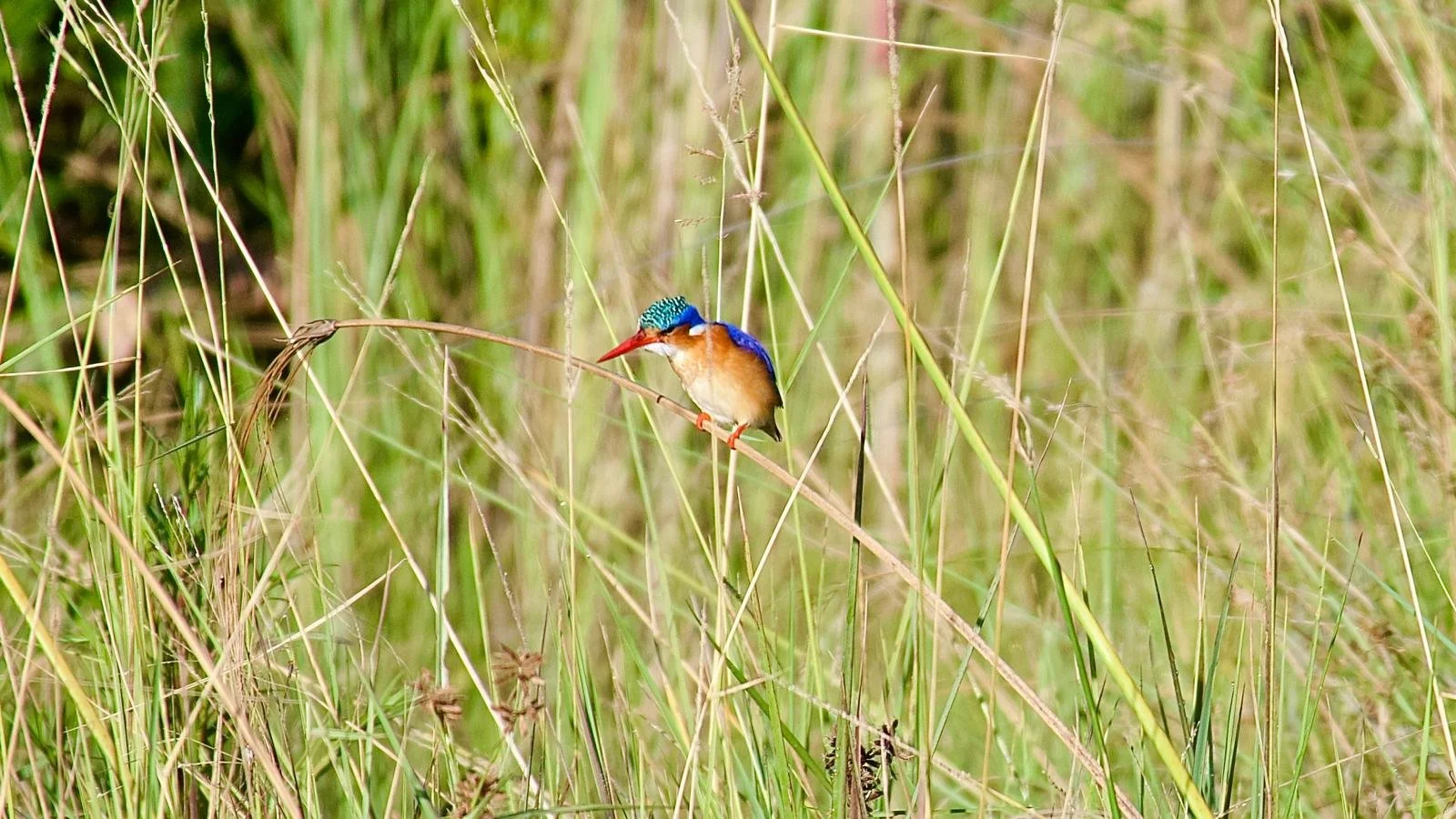
Curious Malachite Kingfisher resting on a cane, observing the water in Botswana