Why Sabi Sands Is Considered Africa's Ultimate Luxury Safari Destination
When travelers dream of an African safari, they often picture golden grasslands, lions resting beneath acacia trees, and perhaps the elusive leopard disappearing into the bush at sunset.
What many don't realize is that there is one place in Africa where these dreams become reality more consistently than almost anywhere else: the Sabi Sands Game Reserve.
Bordering the world-famous Kruger National Park in South Africa, Sabi Sands has earned an almost legendary reputation among wildlife enthusiasts, photographers, and luxury travelers alike. It is a destination where leopard sightings are remarkably common, where safari vehicles can leave the roads to follow wildlife, and where some of Africa's most luxurious lodges offer an intimate connection with nature.
But what exactly is Sabi Sands, and why has it become one of the most sought-after safari destinations on the continent?
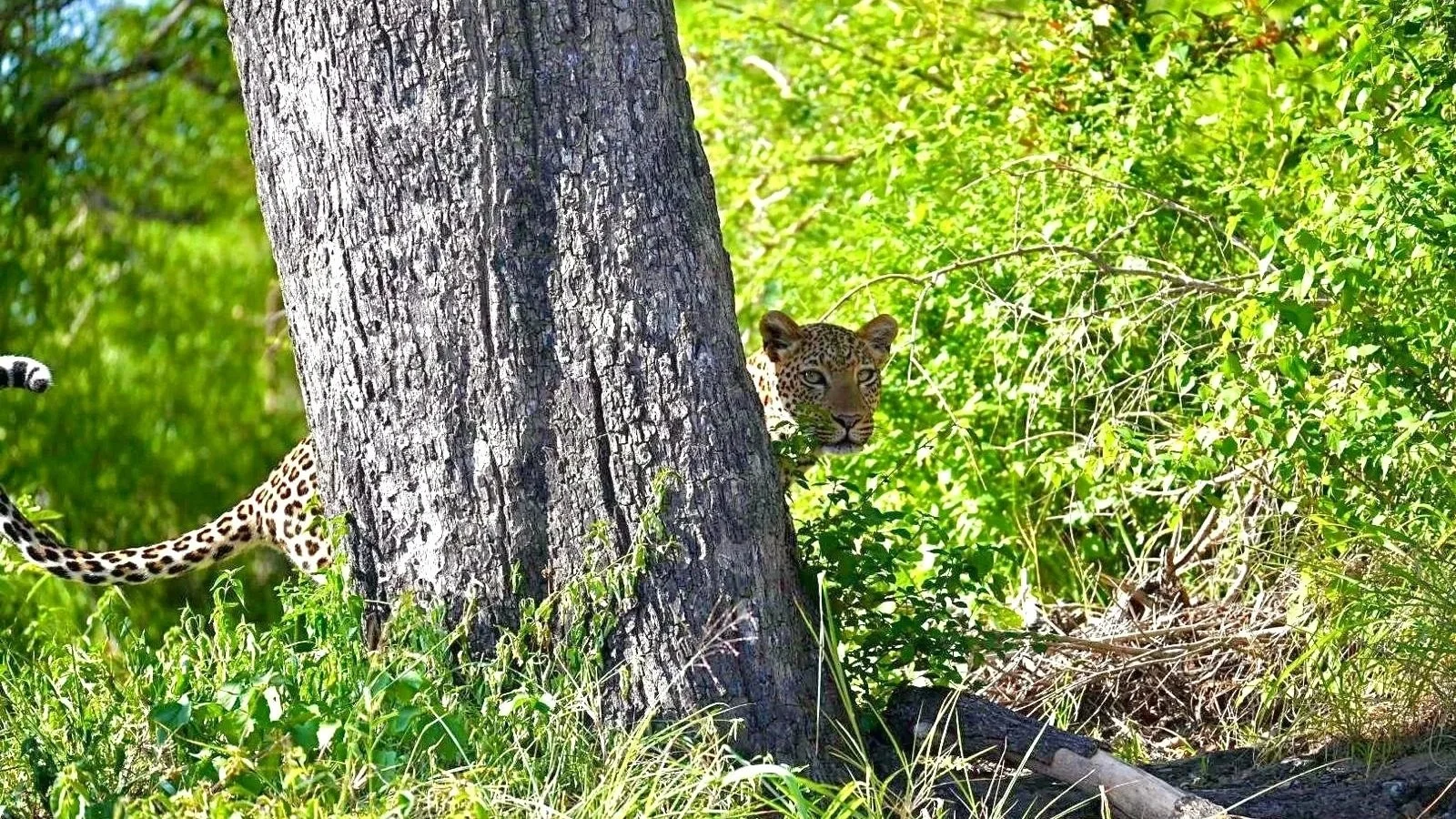
Leopard hiding behind a tree in the Sabi Sands - Greater Kruger Area
The Origins of Sabi Sands
The Sabi Sands Game Reserve takes its name from two rivers that flow through the region: the Sabie River to the south and the Sand River that meanders through the reserve itself.
The area's history dates back to the late nineteenth century, when vast tracts of land adjacent to the future Kruger National Park were privately owned farms and hunting concessions. Over time, these properties gradually shifted their focus from hunting to conservation and wildlife tourism.
In 1948, a group of visionary landowners formally established the Sabi Sands Game Reserve. Their goal was simple yet ambitious: protect wildlife while creating a sustainable future for the region.
Today, Sabi Sands encompasses approximately 65,000 hectares (160,000 acres) of protected wilderness and remains privately owned by a collection of individual lodges and concessions.
Is Sabi Sands Part of Kruger National Park?
This is one of the most common questions travelers ask.
Technically, Sabi Sands is not part of Kruger National Park.
However, it forms part of the Greater Kruger ecosystem, a vast conservation area that includes Kruger National Park and several adjoining private reserves such as Timbavati, famous worldwide as the ancestral home of South Africa’s legendary white lions, as well as Thornybush, Klaserie, and Manyeleti.
What makes this so important is that the fences between Kruger and Sabi Sands were removed decades ago.
As a result, wildlife moves freely across millions of hectares of protected land. The lions, elephants, leopards, and buffalo seen in Sabi Sands are the same animals that roam throughout Greater Kruger.
In practical terms, Sabi Sands offers the wildlife density of Kruger combined with the exclusivity and flexibility of a private reserve.
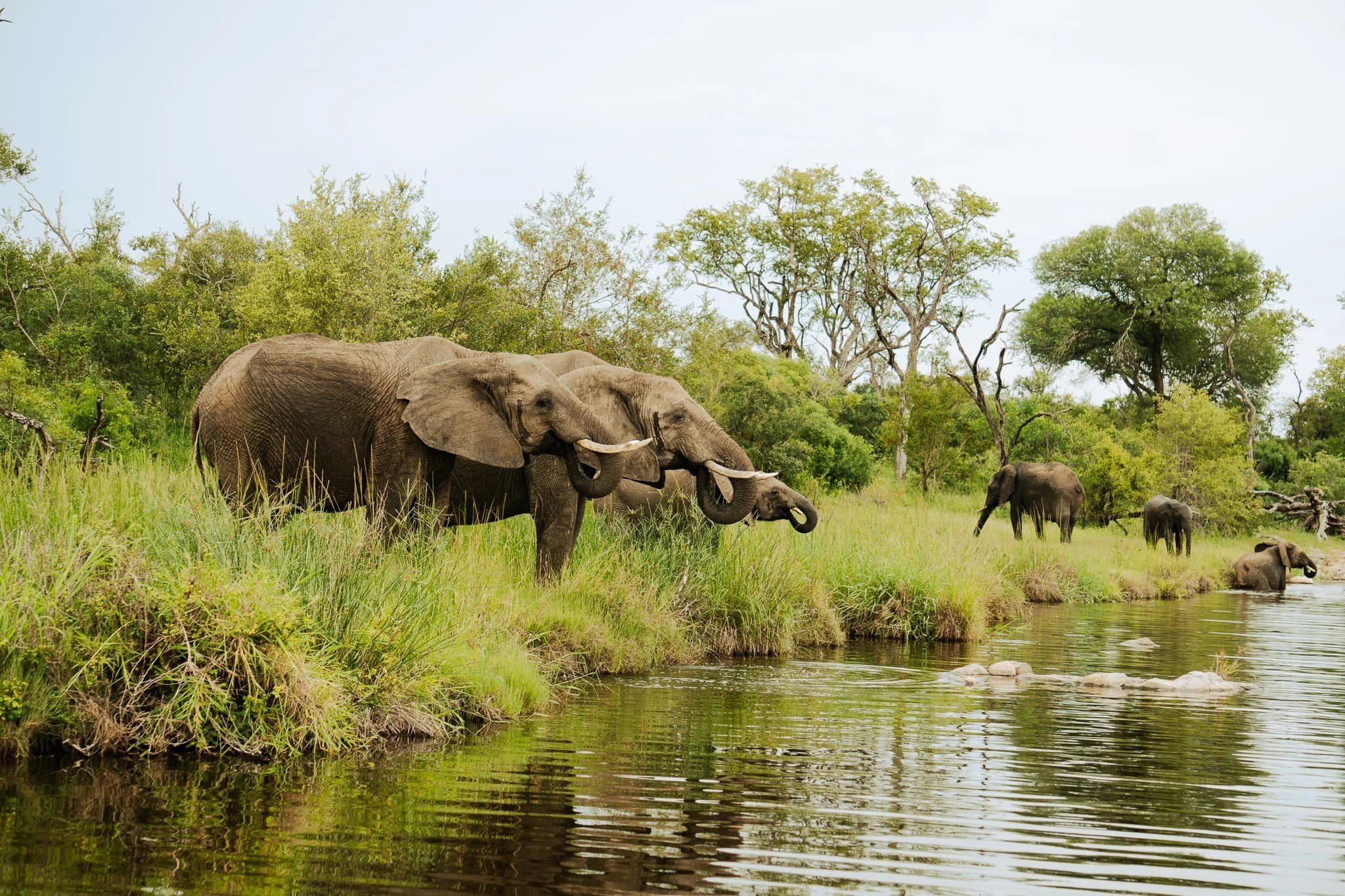
Elephants having a water break by the Sand River in the Sabi Sands Game Reserve, Greater Kruger Area.
Why Is Sabi Sands Famous for Leopards?
Ask any safari guide where to find Africa's best leopard sightings, and chances are they will mention Sabi Sands.
The reserve has become internationally renowned for its extraordinary leopard population and the quality of leopard encounters.
Several factors contribute to this success.
Long-Term Conservation
For decades, the reserve has protected wildlife without interruption. Leopard populations have remained stable and healthy, allowing multiple generations to thrive.
Habituation
Perhaps the most important reason is habituation.
Over many years, leopards in Sabi Sands have become accustomed to safari vehicles. They do not view vehicles as a threat and therefore continue their natural behavior even when people are present.
Visitors often witness leopards hunting, resting, feeding, mating, or caring for cubs from remarkably close distances.
Ideal Habitat
The dense riverine vegetation, abundant prey species, and permanent water sources create ideal leopard habitat.
This combination of factors has made Sabi Sands arguably the best place on Earth to observe wild leopards.
While Sabi Sands is often considered Africa’s leopard capital, neighboring Timbavati has earned global recognition for its extraordinary white lions and wilder safari atmosphere.
Read this article: Timbavati: The Legendary Home of South Africa’s White Lions
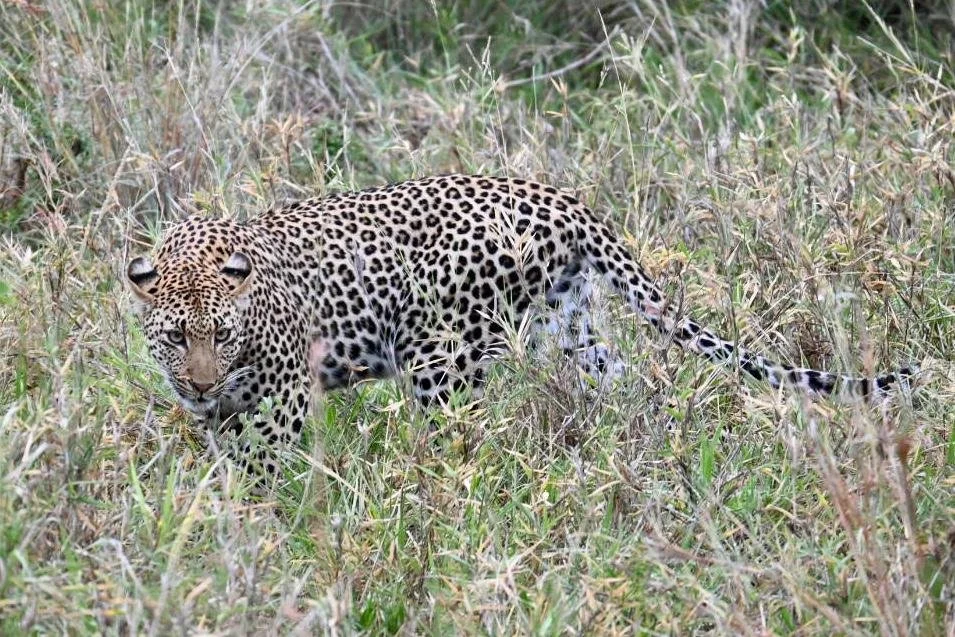
Leopardess spotted between tall grasses.
What Makes Sabi Sands Different from a Self-Drive Safari?
Many travelers compare Sabi Sands to a self-drive safari in Kruger National Park.
While both offer excellent wildlife viewing, the experiences are fundamentally different.
In Kruger, visitors remain on public roads and explore independently.
In Sabi Sands, guests are accompanied by highly trained guides and trackers who communicate with one another and follow animal movements throughout the reserve.
Perhaps the biggest advantage is that safari vehicles are allowed to leave designated roads when appropriate.
This means that if a leopard disappears into the bush, guides can often carefully follow it for a closer and more rewarding sighting.
The result is a more immersive and wildlife-focused experience.
Why Is Sabi Sands So Luxurious?
Sabi Sands is often associated with some of Africa's most prestigious safari lodges, including world-renowned names such as Singita, Londolozi, Dulini, Lion Sands, Sabi Sabi, and Leopard Hills.
Several factors contribute to its luxury reputation.
Limited Guest Numbers
Unlike national parks that welcome thousands of visitors, Sabi Sands strictly limits guest numbers.
Many lodges have fewer than ten suites, ensuring privacy and exclusivity.
Exceptional Guiding
The guiding standards in Sabi Sands are among the highest in Africa.
Many guests leave feeling that their guide and tracker were as memorable as the wildlife itself.
Personalized Service
From private plunge pools and outdoor showers to curated wine cellars and gourmet dining, every aspect of the experience is designed around comfort and personalization.
Prime Wildlife Viewing
Luxury in Africa is not just about thread counts and fine dining.
Time is valuable, and nowhere is this more evident than in Sabi Sands, where extraordinary wildlife encounters often begin just minutes after leaving camp.
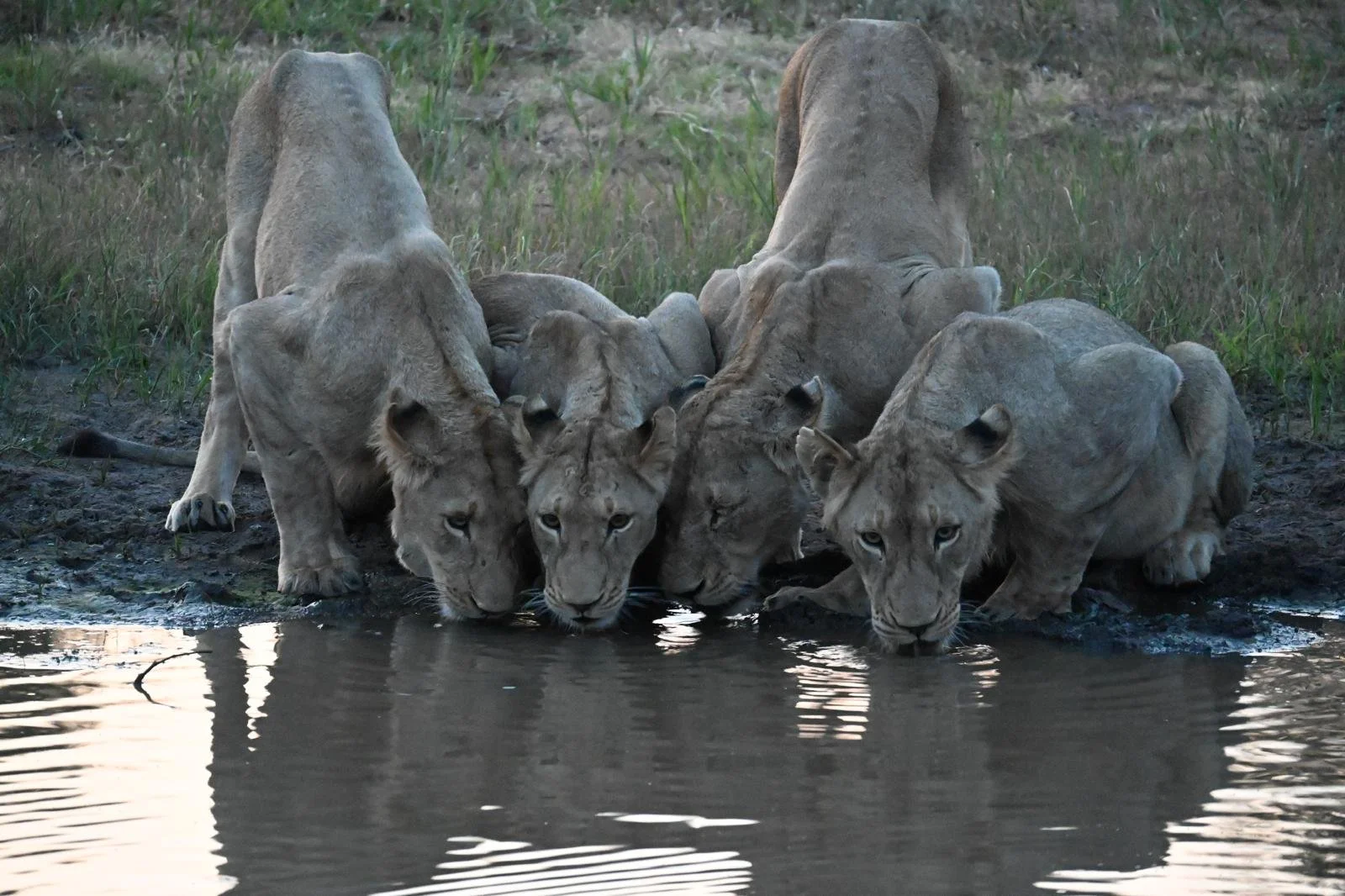
Lionness driking at the water hole after a kill, Kruger National Park.
The Different Areas Within Sabi Sands
Although often spoken about as a single destination, Sabi Sands is divided into multiple private concessions and lodge collections.
Some of the most famous include:
Singita Boulders Lodge
Singita Ebony Lodge
Londolozi Tree Camp
Londolozi Founders Camp
Dulini Leadwood Lodge
Lion Sands Ivory Lodge
Sabi Sabi Earth Lodge
Leopard Hills
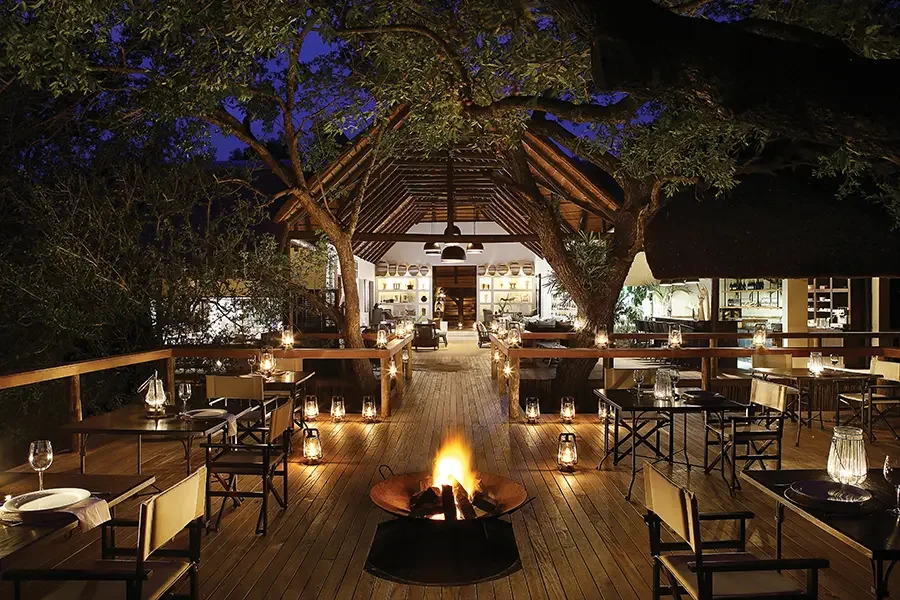
Londolozi Tree Camp Lodge, Sabi Sands, Greater Kruger
Each concession offers slightly different landscapes, guiding styles, and lodge atmospheres, but all benefit from the same open ecosystem.
How to Reach Sabi Sands
Despite its remote appearance, reaching Sabi Sands is surprisingly easy.
Via Skukuza Airport
The most popular option is to fly from Johannesburg or Cape Town to Skukuza Airport, located within the Greater Kruger region.
From there, most lodges provide road transfers directly to camp.
Via Kruger Mpumalanga International Airport
Another common route is through Kruger Mpumalanga International Airport near Nelspruit.
Transfers to Sabi Sands generally take around two to three hours by road.
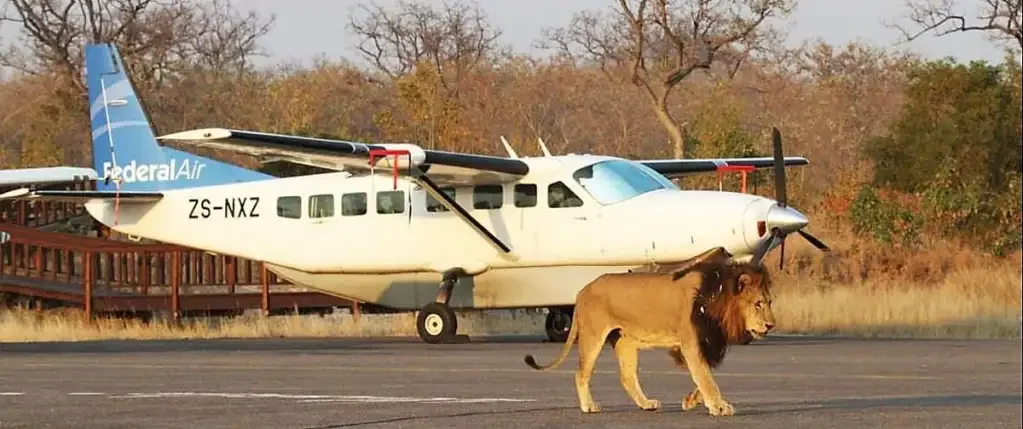
Via Private Charter
Many luxury travelers choose to fly directly into one of the reserve's private airstrips.
This option minimizes travel time and provides spectacular aerial views of the African bush.
When Is the Best Time to Visit?
Sabi Sands offers excellent wildlife viewing year-round.
Dry Season (May to September)
The dry winter months are often considered the best time for game viewing.
Vegetation becomes thinner, animals gather around water sources, and visibility improves significantly.
Green Season (October to April)
Summer brings lush landscapes, dramatic thunderstorms, newborn animals, and exceptional birdlife.
Photography can be particularly rewarding during this period.
Is Sabi Sands Worth It?
For many safari travelers, Sabi Sands represents the pinnacle of the African safari experience.
Its combination of unfenced wilderness, exceptional guiding, legendary leopard sightings, and world-class lodges is difficult to match anywhere else on the continent.
Whether you are planning your first safari or returning to Africa for a special celebration, Sabi Sands offers a rare balance of adventure, conservation, luxury, and authenticity.
It is not simply a destination; it is a benchmark against which many other safaris are measured.
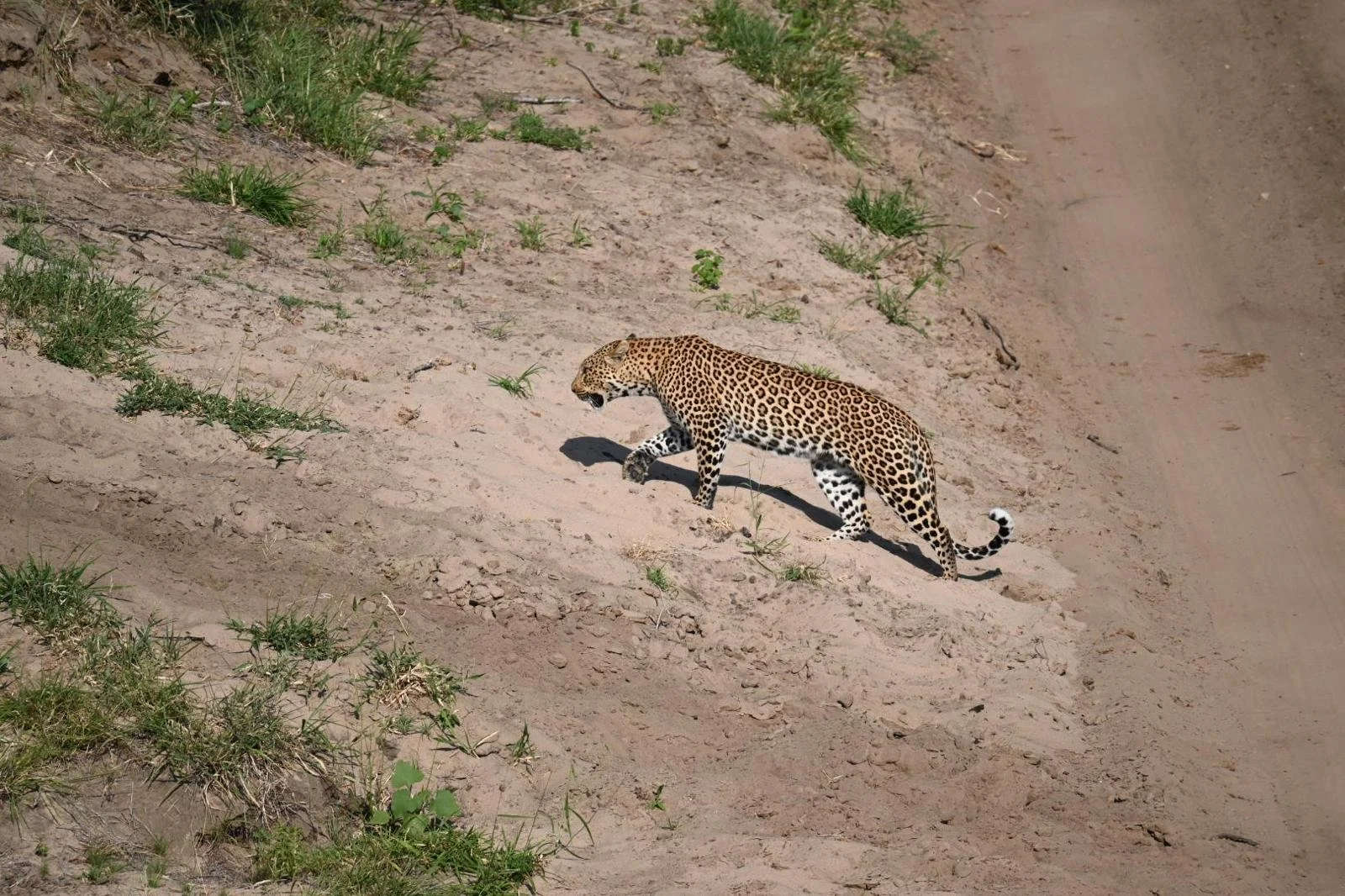
Leopard crossing a dry river bed in the Sabi Sands, Greater Kruger Area.
Plan Your Sabi Sands Safari
Dreaming of experiencing one of Africa's most exclusive safari destinations? Whether you're planning a honeymoon, a family adventure, a photographic safari, or a once-in-a-lifetime journey with friends, I can help you create a tailor-made itinerary that perfectly matches your travel style and budget.
From selecting the right lodge and arranging seamless transfers to combining Sabi Sands with Cape Town, the Garden Route, Victoria Falls, or other iconic Southern African destinations, every detail can be carefully planned to ensure an unforgettable experience.
Imagine tracking leopards at sunrise, enjoying sundowners overlooking the bushveld, and falling asleep to the sounds of the African wilderness—all while benefiting from expert advice and insider recommendations.
👉 Contact me today to start planning your Sabi Sands safari and discover why this remarkable reserve is considered one of the finest wildlife destinations on Earth.